
By Peter Ackroyd
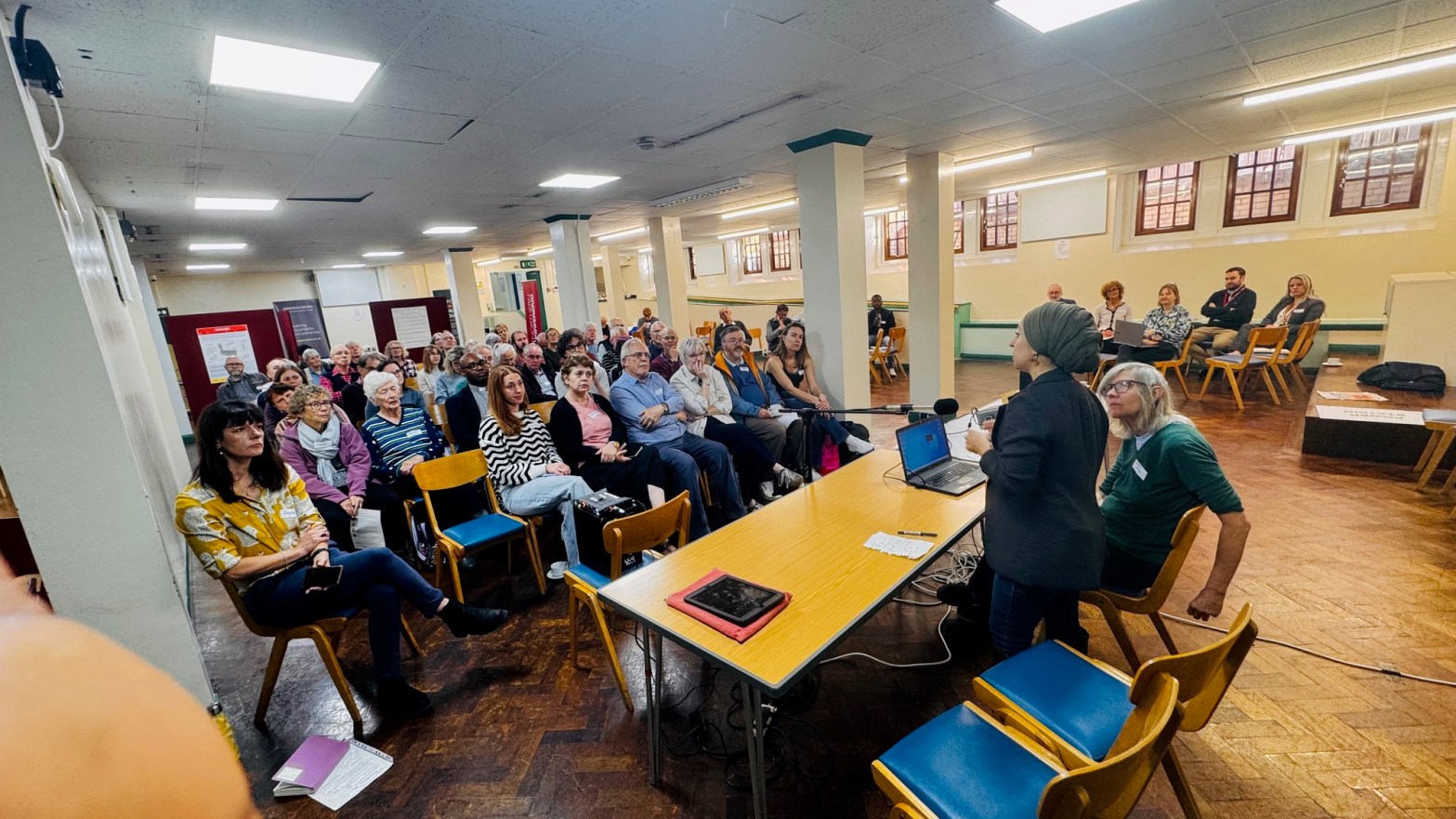
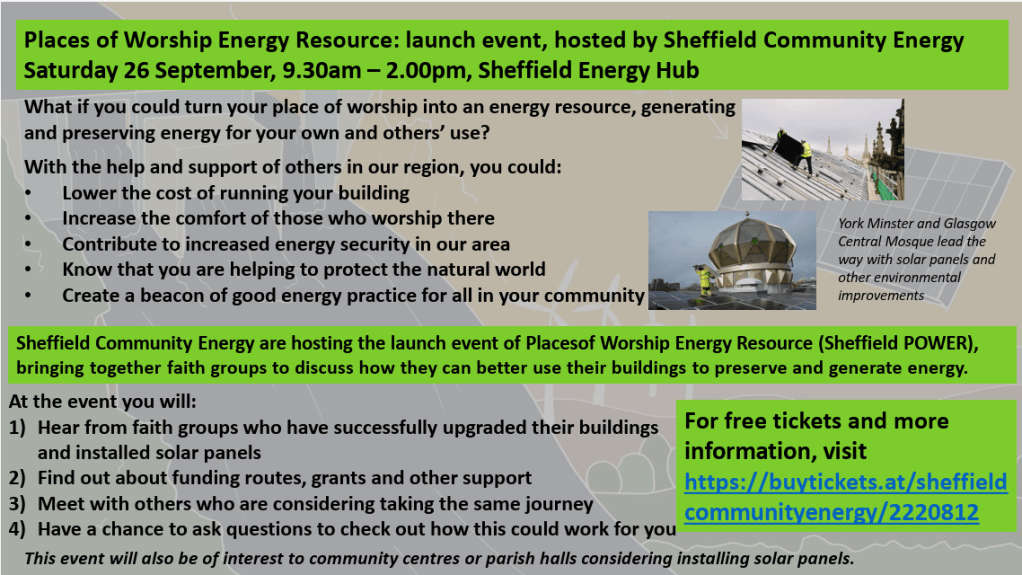
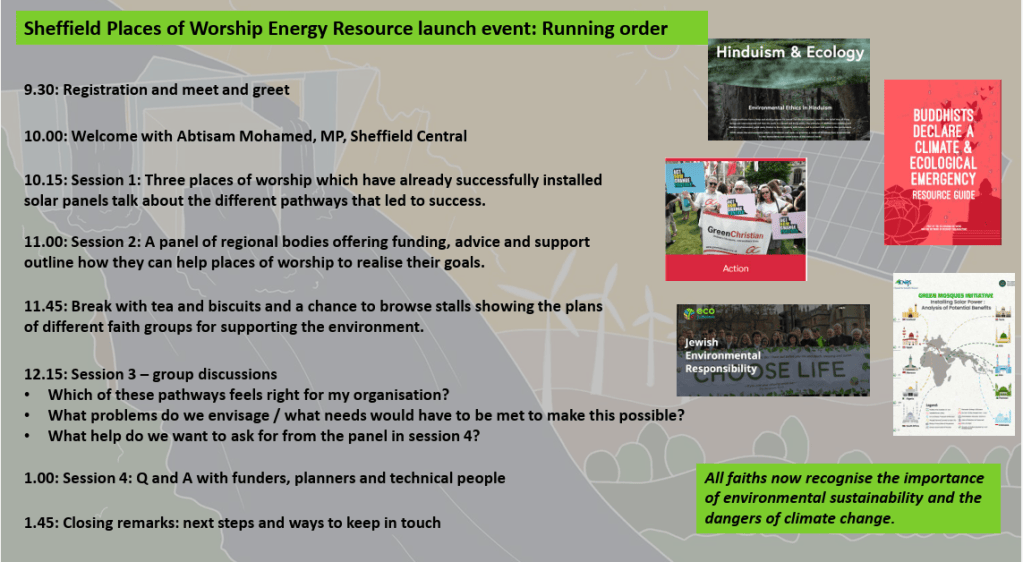
Sheffield Community Energy held an event at Victoria Hall in Sheffield on Saturday 26th September, focused on bringing renewable energy and energy efficiency to faith buildings across Sheffield and the surrounding area. The Places of Worship Energy Resource (POWER) event allowed members of the community to learn, in a collaborative way, from the successful experiences of others and the expertise of regional bodies. The event was well attended by people from over 20 different places of worship in the city. It opened with a talk from the MP for Sheffield Central, Abtisam Mohamed, and closed with remarks from Councillor Alexi Dimond, who chairs the Transport, Regeneration and Climate Change committee at Sheffield City Council.
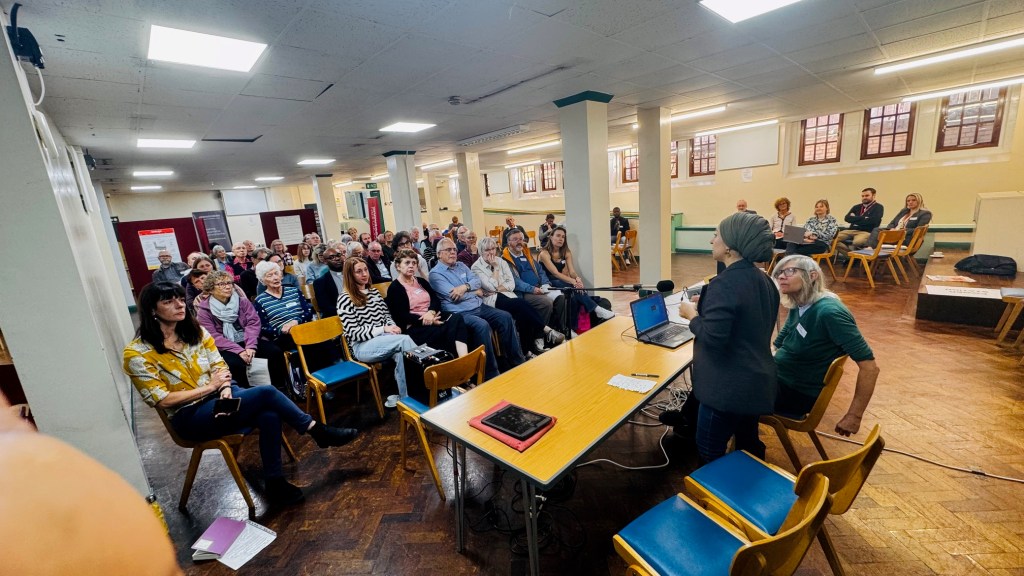
One of two large-scale projects that were showcased was Settle Energy Local – a successful example of an Energy Local Club, where members (local generators and consumers) pay a reduced price for energy generated by the club. The Settle club includes four churches, each benefiting from, as well as contributing to, sharing energy with their neighbours — a great example of faith communities putting their beliefs to practical use, helping those around them as well as lowering their own energy bills.
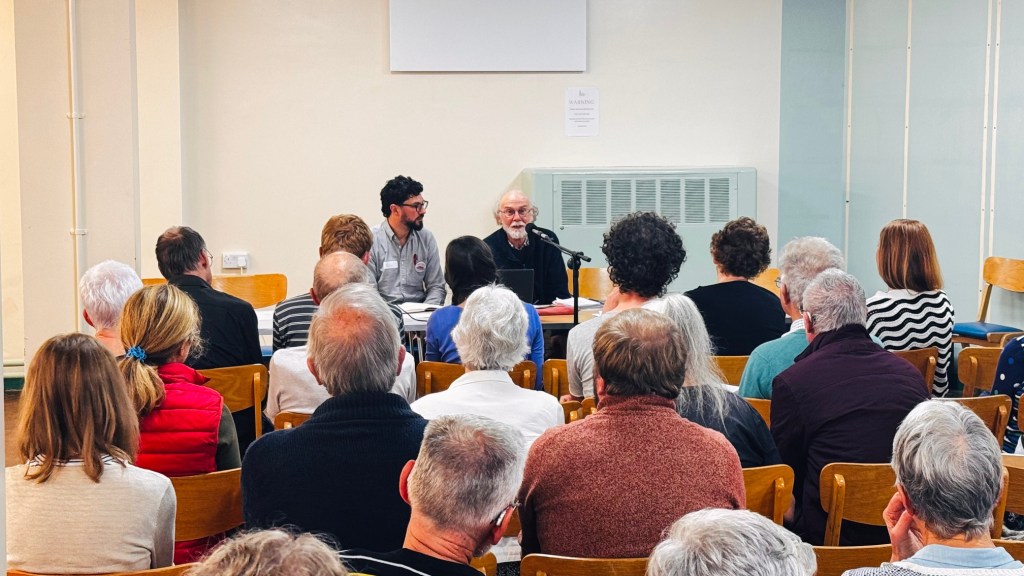
Another impressive project was the Yorkshire North and East Methodist District, who have not only committed to reaching net zero by 2040, but has determinedly set out to make that ambition a reality. Their ‘Building Sustainable Hope’ programme has raised £1.1 million pounds to carry out measures such as insulation, solar panels, heat pumps and double glazing across 200+ churches. Their ‘Tea and PV Project ’, as of April 2025, had generated enough solar power across 10 churches to brew nearly 5 million cups of tea! Their top tip: “Work with others!”
The importance of collaboration was consistently raised throughout the event, including from the advice and funding bodies: Northern Powergrid, North-East & Yorkshire Net Zero Hub and Pure Leapfrog. Places of worship have buildings of varied design, age and usage, so every project has a slightly different pathway. These bodies can help with increasing technical reliability, applications for funding and specialist support.
Enthusiasm and commitment were palpable, and attendees shared a vision for collaboration and inclusion across faith groups and under-resourced communities. The next step is to start making that vision a reality!
Here’s the flyer for the event
Discover more from Tell the Truth Sheffield
Subscribe to get the latest posts sent to your email.
