
by Ci Davis

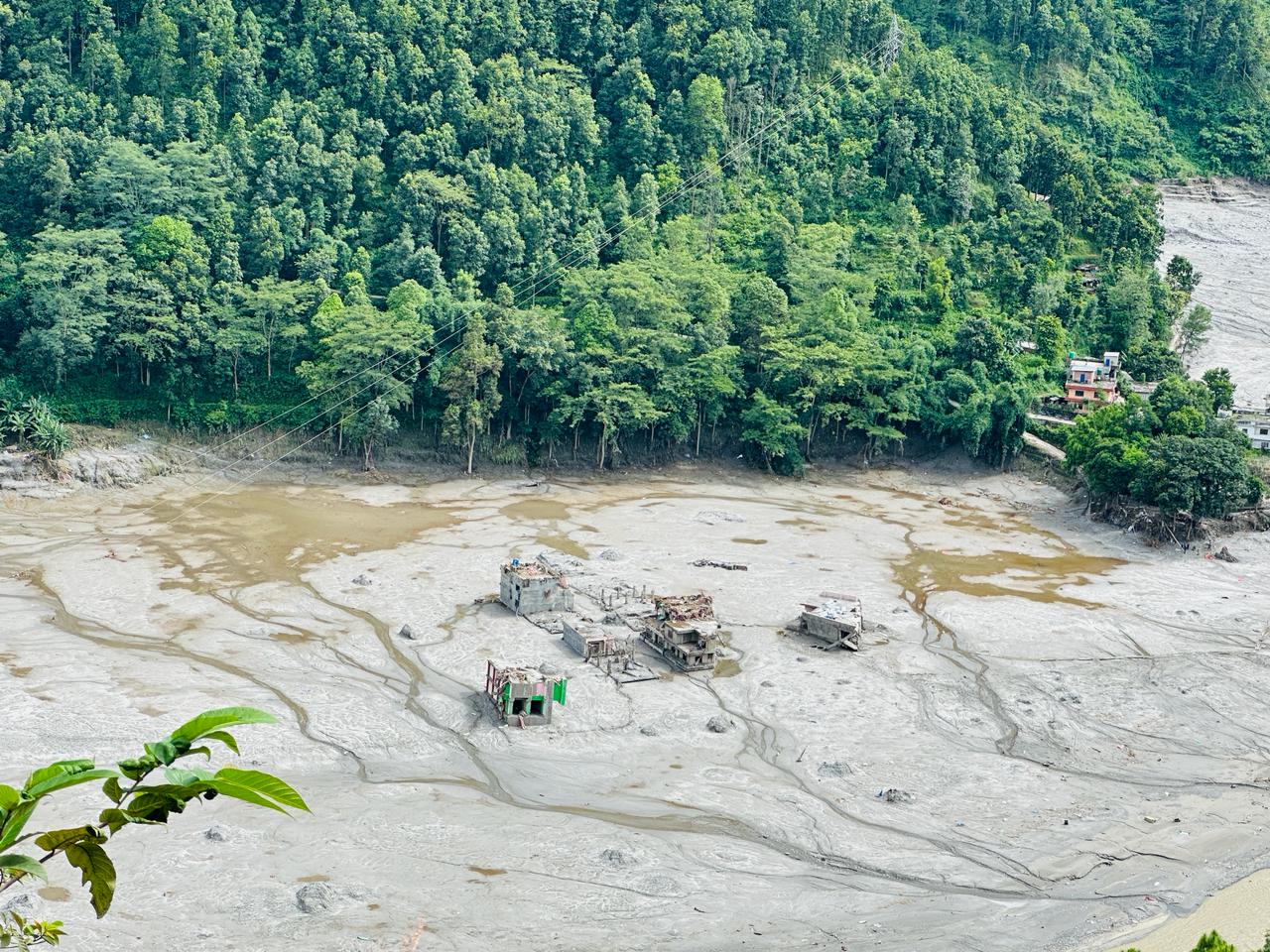
On Wednesday, 26th August, a monstrous black wave of rock, ice, mud, and debris struck the Rasuwa, Nuwakot, and Dhading districts along the Nepal-Tibet border. Over 50000 people were affected by the flash flooding resulting from a glacial collapse high in the Himalaya. A collapse of rock and ice so intense that it registered as an earthquake.
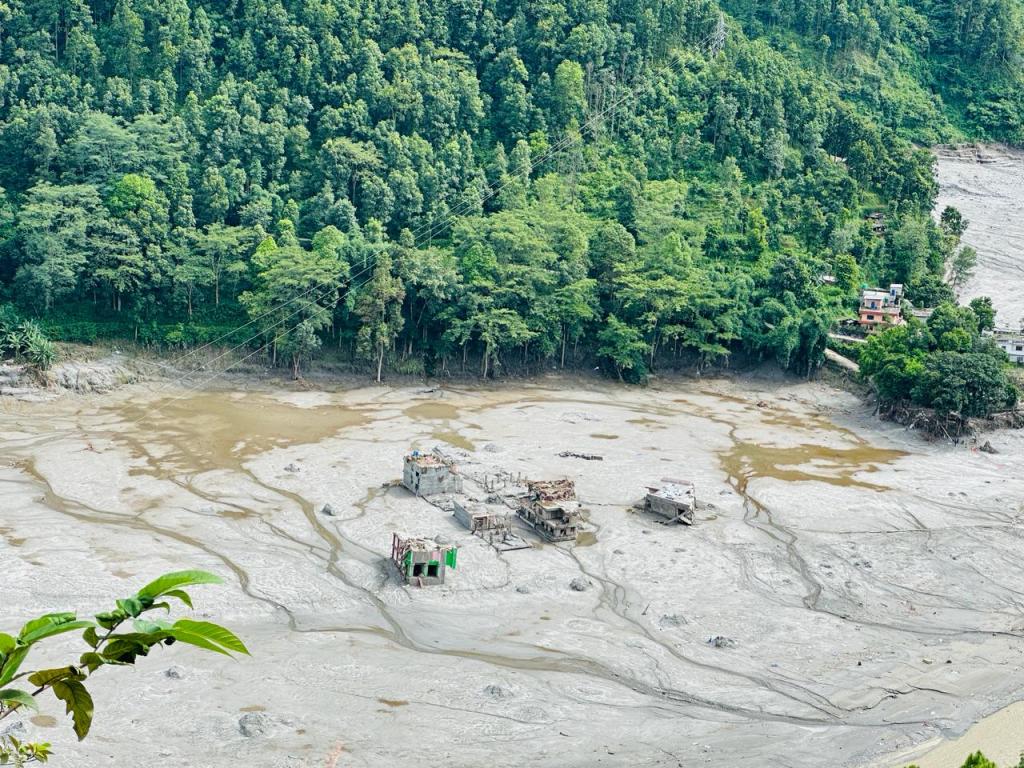
Within minutes, thousands of people were killed or went missing; entire communities were wiped out, with people being washed away along with their homes and belongings. Survivors have described what people would have seen in their last moments – giant waves, up to sixty feet tall, looking like rearing cobras accompanied by a monstrous roar.
The word apocalypse, defined as an event involving massive, catastrophic destruction, is frequently used when disaster strikes. There can be no better context for the use of that word. Thousands of miles away, here in South Yorkshire, we need to respond to this event and to talk about the cause. This is because we live alongside a Nepalese community that will be deeply affected. In times of need, people reach out with compassion to assist, as we did when our own region suffered flooding. Also, because we are connected by a central factor to this disaster, climate change, that has different yet life-changing manifestations here, where we are just emerging from a series of heatwaves.
To describe the disaster as a one-in-a-thousand-year event is no longer true. Glaciers across the world are retreating in response to the hotter climate. As rainfall replaces snow cover at high altitudes, permafrost melts, glaciers become unstable, and expanding lakes risk breaching the unconsolidated debris that holds them back high above communities below. All this compounds any earthquake activity that is associated with mountain range formation.
In 2025, the Swiss village of Blatten was obliterated by glacial collapse, but close monitoring meant the villagers were evacuated to avoid human catastrophe. Nepal is a very poor country, so less well monitored, and it has contributed less than 0.5% to climate-changing emissions, while losses and damage suffered were severe even before this tragedy. Without reducing emissions, this will get worse.
We can help by donating to Phase Worldwide, a Sheffield-based charity providing health-education programs in Nepal. Emergency appeal: www.phaseworldwide.org/emergencyappeal/. All money raised will go to relief work, providing survivors with food, wash packs, and other essentials.
Discover more from Tell the Truth Sheffield
Subscribe to get the latest posts sent to your email.
