
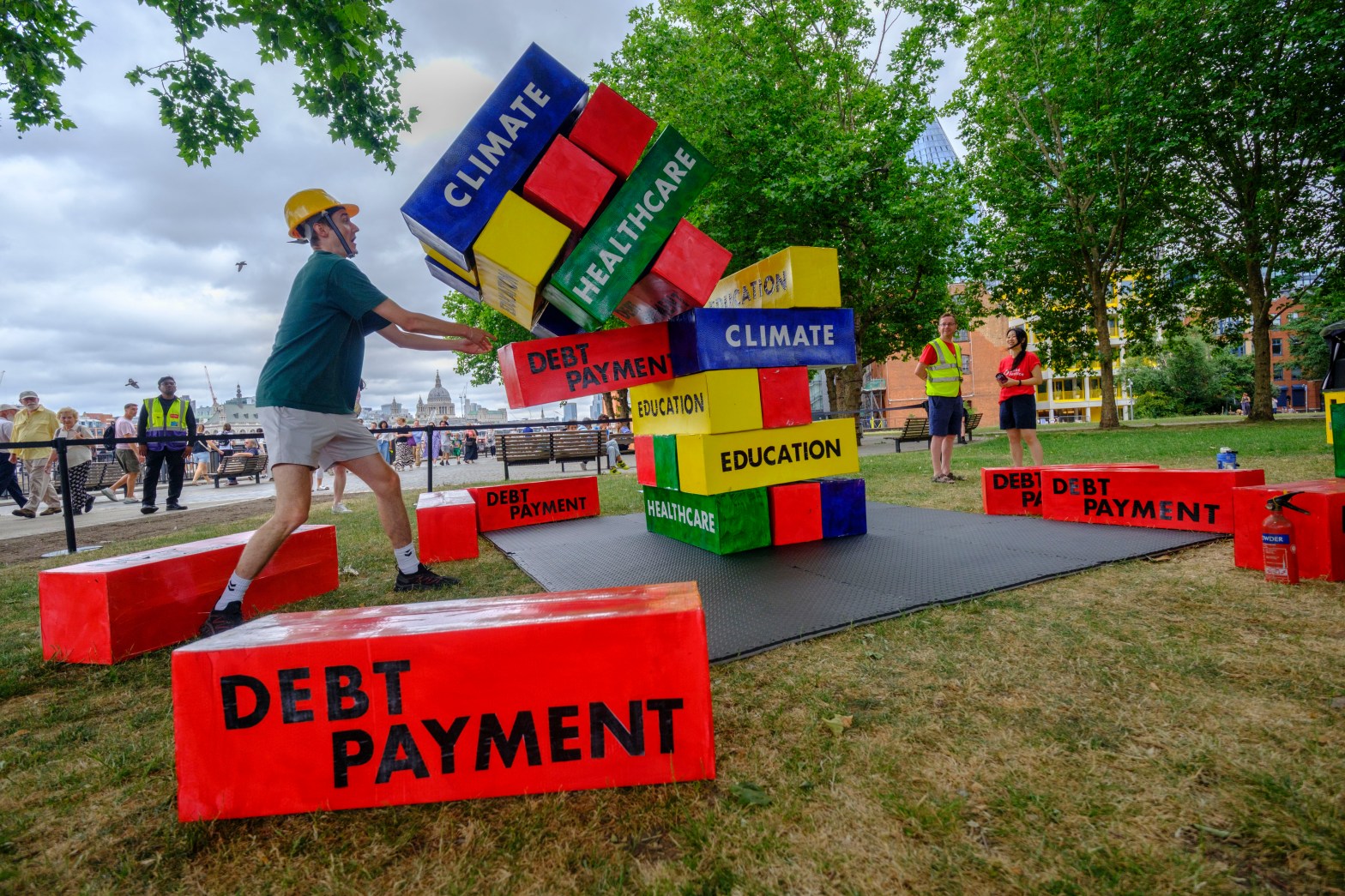
A guest blog by Stephen Pennells

Folks are understandably het up about war and genocidal military oppression, but even more fundamental issues threaten: mass extinction, economic collapse, and the end of civilisation as we know it.
I recently joined the Climate Coalition lobby of Parliament. It’s a broad alliance spanning nature and wildlife, domestic, regional, national and international issues with buildings, transport, the Green Economy, jobs and poverty.
Several thousand attended for interviews with MPs. Many met fellow constituents for the first time before their appointment for serious conversation, sharing information, urging, and seeking concrete action.
Five Sheffield Central constituents met our MP, Abtisam Mohamed. Time was short- 30 minutes gave us less than 5 minutes conversation each after pleasantries and introductions.
One topic raised was the demand for expansion of the Sheffield tram network, along with taking back control of the buses to bring consistency and reduced fares. Abtisam listened sympathetically and explained the problem faced by South Yorkshire’s Mayor, Oliver Coppard; Sheffield has benefited from many millions of investment, however, the other South Yorkshire authorities (Barnsley, Doncaster, and Rotherham) also need to receive and benefit, before Sheffield can get more funding. We were, it appeared, knocking on the wrong door.
A further issue was for increased action on tackling cold homes by community energy initiatives and upgrading insulation to minimise energy waste, in particular in social housing, and here the MP undertook to raise an oral question in Parliament if selected.
Green Party member Linda Duckenfield raised the more systemic issue: the “Neoliberal myth” of the viability of life in a capitalist system on a finite planet. She challenged the goal of economic growth and the promotion of the military-industrial complex, which could lead to war and conflict. She feared Sheffield would become more vulnerable to attack if involved in the nuclear industry with its developing military ramifications.
Abtisam listened concernedly to this, but, perhaps bearing in mind the party line of Economic Growth, did not engage in discussing the topic.
She could however, make progress by supporting international economic justice. Dozens of vulnerable countries (often most affected by climate breakdown and extractive devastation) need to keep more of their money to resource addressing the “(un)Natural Disasters” besetting them. We share a worldwide environment- with global links and a colonial past, we are (to borrow the biblical phrase) “our brother’s keeper”. The environmental/climate crisis leads to more strife, oppression and misery, dehumanising people and forcing international migration, which denudes needy countries of young talent.
Although least responsible for Carbon emissions and pollution, fragile economies are ensnared by exploitative lenders, often demanding they develop the toxic industries, jeopardising their survival to pay inflated rates of interest!
Sometimes countries need to borrow money. International financial organisations, which are controlled by wealthy nations, lend money but with strict rules attached. These rules,demand harsh austerity measures.
On the other hand, commercial banks and corporations also offer loans, but they don’t demand austerity. Instead, they charge very high interest rates, much higher than those developed countries like the UK pay.
Invasion, droughts, and floods destroy infrastructure, agriculture, houses, and factories.. Add collapsing global commodity prices, fuel and food price hikes, and the economic chaos of tariff wars, and it’s no surprise the poor get poorer with international debt climbing. Girls and women suffer the most. This follows decades of progress, which saw millions schooled, and death rates fall.
This debt crisis is especially our responsibility. Governments, the World Bank and IMF may be prepared to negotiate a degree of debt cancellation or ease payment conditions facing unforeseen situations; commercial lenders ignore humanitarian responsibilities and routinely demand full payment with compound interest. In effect, this profits from the charity of others. 90% of these commercial loan contracts are written and enforceable using English law, which, if it were changed could demand they cooperate with other lenders, benefitting many millions of poor people.
The Debt Relief (Developing Countries) Bill seeks to do this and is currently before Parliament. It follows similar (but limited) measures enacted with Gordon Brown’s support in 2010. It won’t cost taxpayers a penny and will save lives and the futures of countless women and children.
Billions are needed to address international climate action. Loans only exacerbate the problem. Calls to “Make Polluters Pay” for “loss and damage” have been raised previously. Despite gestures, they’ve not been adopted by governments. Now, the unimaginable wealth sucked out of our economies by Big Tech firms (e.g. Amazon, Google, Apple, Meta) is also in the spotlight with calls to “Make Them Pay”.
I gave my MP briefings from Debt Justice and Christian Aid on both topics, asking her to give concrete support by writing to Emma Reynolds MP (Economic Secretary to the Treasury) in support of stopping irresponsible profiteering through the Debt Bill. I reiterated this in a “Thank You” email.
Abtisam’s tweet and report of the meeting, while acknowledging the unfolding cost of inaction, was woolly about specific actions she would take, despite her being a member of the All Party Parliamentary Group on Climate Change and being photographed supporting Christian Aid’s call for debt justice last autumn. On both debt and wealth tax, I still eagerly await positive news.
Discover more from Tell the Truth Sheffield
Subscribe to get the latest posts sent to your email.

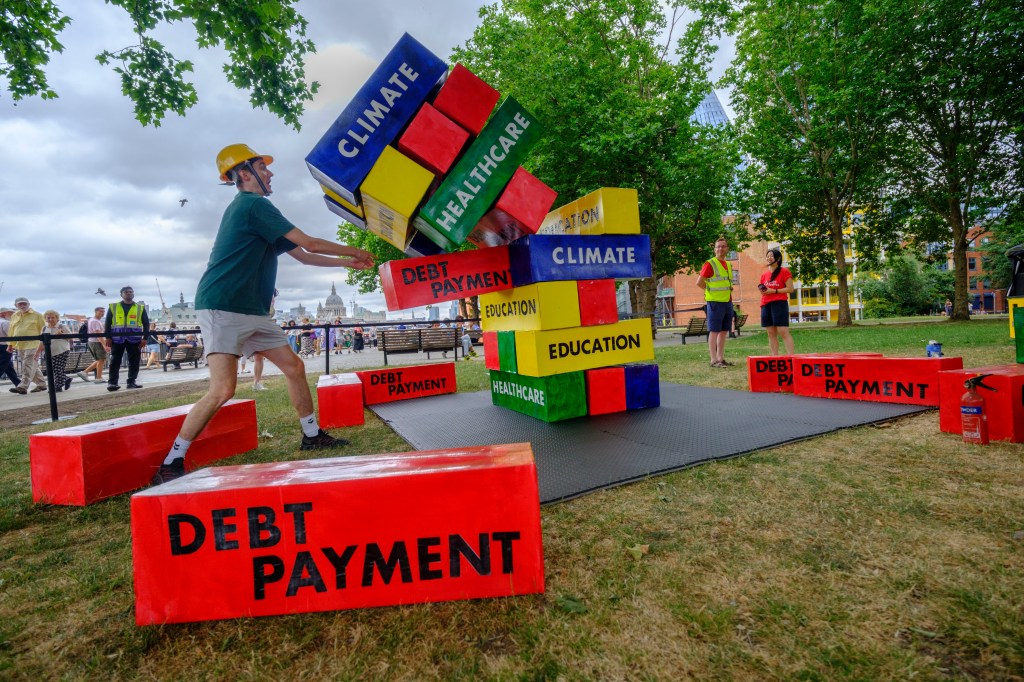
The photograph was taken a few weeks earlier at a demonstration on the Thames Embankment.
LikeLike
Since publication I’ve received this welcome news from Abtisam Mohamed:
“In relation to Bambos Charalambous’ Debt Relief (Developing Countries) Bill, I believe we must change the international financial system to deliver a fairer deal for developing countries. The nature of debt has changed. Debt used to be owed to official creditors like international financial institutions but now it is financed by unscrupulous actors such as private companies and banks. This is not only bad for tackling poverty but also hinders efforts to tackle the climate and nature emergency which is an issue countries in the Global South continuously raise and see as the biggest threat.
This is an area which I’ve raised in the past and will continue to do so going forward.
I’ve also added my name to EDM (Early Day Motion)1386. However, my name will not appear until after recess. ”
(EDM 1386 “Climate Finance Fund (Fossil Fuels and Pollution) Bill” can be read on https://edm.parliament.uk/early-day-motion/63769 and was sponsored by Hallam MP Olivia Blake.)
LikeLike