

by Chris Broome, South Yorkshire Climate Alliance
With the severity of climate change becoming more obvious – at least to most of us – concern about its impacts are growing.
So any consideration of plans to expand airport capacity should include a thorough examination of their climate impacts. Last September, a whole range of documents supporting the re-opening of Doncaster Sheffield Airport (DSA) was presented to a SYMCA Board meeting, including a “Preliminary Climate Impact Report”. This contained data on the amount of carbon dioxide emissions predicted to arise from flights to and from DSA. What was missing was any analysis of whether those figures could reasonably fit within a sustainable economy.
Data from the climate report for DSA can be compared to SYMCA’s carbon targets, set in 2019 when it declared a climate emergency. As an indication of scale, the Climate Impact Report’s high-case projection for aircraft direct emissions is roughly 300 kilotonnes of CO₂ in 2035 – and rising. By then, SYMCA’s target emissions for the whole of the rest of South Yorkshire’s economy are around 720 kilotonnes of CO₂ in 2035 – and falling. Whilst it could be debated what share of emissions aviation could reasonably take up, opening up an airport with emissions on that scale is clearly extremely disproportionate, particularly as most flights taken by South Yorkshire people are likely to continue to be from other airports.
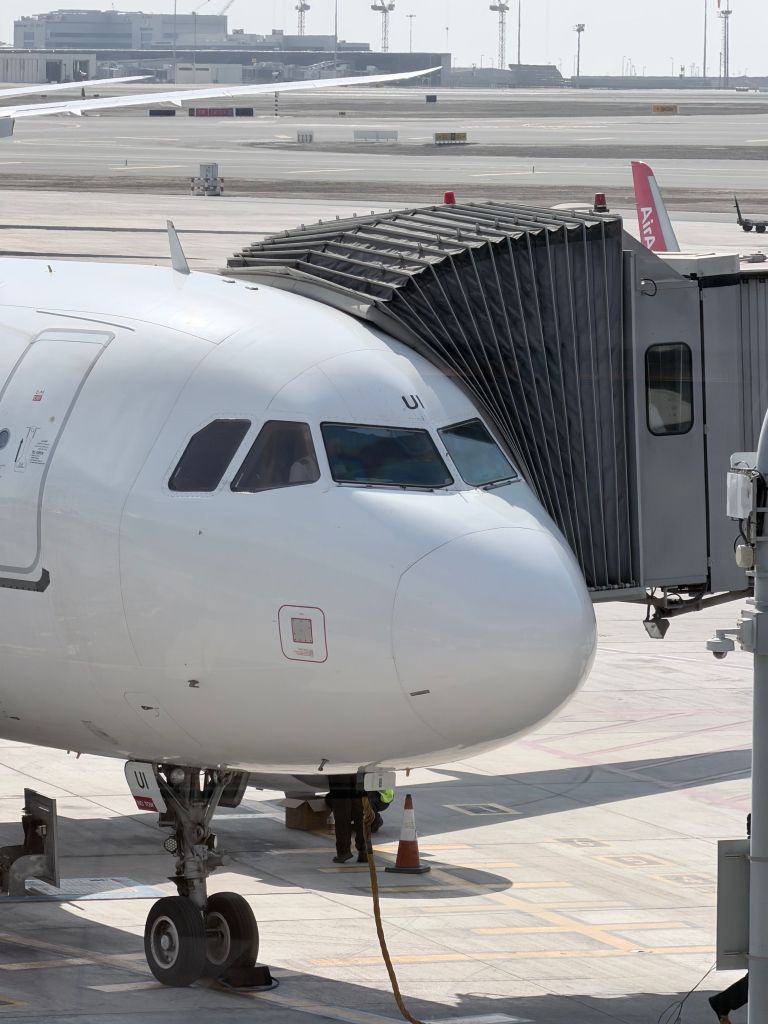
Our region’s politicians love to tell us how DSA will be the centre of a world-leading sustainable aviation hub – an appealing message, but there are no technologies on the horizon that could achieve sustainable aviation for the scale at which we currently fly. Lighter aerospace materials are being developed locally, but aircraft fleets are only replaced over a timescale of decades. The majority of “sustainable aviation fuels” (SAF) are made from used cooking oil imported from Asia. There are already doubts about whether most of this is genuinely sustainable – or just gets past inadequate regulations. More advanced SAFs under development invariably rely on heavy usage of limited resources, such as other waste materials, energy, and water.
I should acknowledge that the Government allows much more “generous” emissions limits in its plans than SYMCA. For aviation, these involve double the emissions by 2050 than even its own climate advisors estimate can be accommodated. Meanwhile, climate science is developing, and longstanding advice to aim for a maximum average global temperature rise of 2C has changed to 1.5C – or failing that, “well below 2C”. The Government’s net-zero target date is 2050. It is yet to wake up to the implications of that 1.5C rise being likely to happen at least 15 years before then. The damage to homes and infrastructure and the shortages of food, water, and energy supplies, which we are already starting to see signs of, will become increasingly severe. As people struggle to cope with these, it will become ever clearer that aviation is one of the main causes of all those issues. The solution can only involve reducing the volume of flights, alongside devoting more effort and resources to activities which protect the basic infrastructure and environment which allow us to thrive.
DSA, a previously failed airport, is unlikely to survive.
Discover more from Tell the Truth Sheffield
Subscribe to get the latest posts sent to your email.
