

By Darcy White

Despite the wealth of science widely available on all aspects of environmental breakdown, outright denialism still exists. I have followed the science for years and appreciate how bad things are. Add to this the deepening energy crisis, and the scale of the problem can start to feel overwhelming.
While scientists try to communicate the science to spur our governments into action for the change we so badly need, corporate lobbyists and PR actors – particularly those from the fossil fuel industries – operate to influence government ministers, and the public, by undermining the science and therefore the perceived need for change.

The goal of such lobbyists is to delay the inevitable move away from fossil fuels. Studies show that seeding doubt and confusion leads to disorientation and paralysis.
For example, ‘white noise’ describes an overwhelming torrent of conflicting and misinformation; whilst ‘black noise’ is the erasure of trusted sources of information, due to cuts in climate research or the palpable inaction of our government, which creates doubt that the science is correct.
This, plus the many other distractions in our busy lives, means people lose their ability to orientate themselves and to understand what is happening. They get caught between ‘perhaps the science is wrong’ to ‘technology will save us’ to ‘it’s too late to do anything’.
We are all in danger of losing our sense of the extent of the crises. Many of us say we believe the warnings by climate scientists and campaigners, yet do not make significant adjustments in our own lives, nor pressure our politicians to act at the required systemic level.
In a sense, denialism is even endemic to ‘green growth’ thinking, the idea that we can be green so long as any changes we make are within the capitalist economy – in other words, don’t really change anything.
How does all this play out at a local level? Plans to reinstate Doncaster airport, the lack of preparedness for looming food insecurity, inadequate flood defences and provision for retrofitting of buildings, are all good examples of our leaders not acting to avoid environmental collapse or to mitigate its effects.
In my mind, environmental collapse should be a topic of conversation on everyone’s lips and our government, including local government, should already be on a crisis footing; before it really is too late.
Part 2
What would it be like to be on a crisis footing over environmental breakdown?
Most of us are aware that the world is experiencing climate and wider environmental crises, however few of us behave as though this is the reality, including our government representatives at both a national and local level.
Many people have adjusted their behaviour as consumers – eating less meat, buying more local produce, flying less, recycling, etc., but this is insufficient if we are to avert environmental catastrophe. We need systemic change.
During times of national crises such as war, governments introduce measures to ensure that countries can weather the storm. Massive changes involving direction by the state cannot be done just by decree. In the end, it is about inventing new ways to organise and coordinate, and to strengthen local communities. A huge leap in our collective imagination is needed.
I am inviting you to come on an imaginary journey with me to think about what being on a crisis footing over environmental collapse would entail.
The consensus is that resilience is best achieved through local organisation, through local government – although core decisions and directives will often be determined nationally. So ‘business as usual’ will no longer serve us; instead, governments will need to redirect industrial capacity and resources towards emergency decarbonisation, restoring ecosystems and building local infrastructure able to withstand the effects of environmental breakdown.
So that everyone’s needs are met, resource management would be necessary, limiting personal carbon footprints, reducing over-consumption, and introducing rationing and price controls, including rent controls; all routine wartime measures, vital to ensure equality of access to necessities of life.
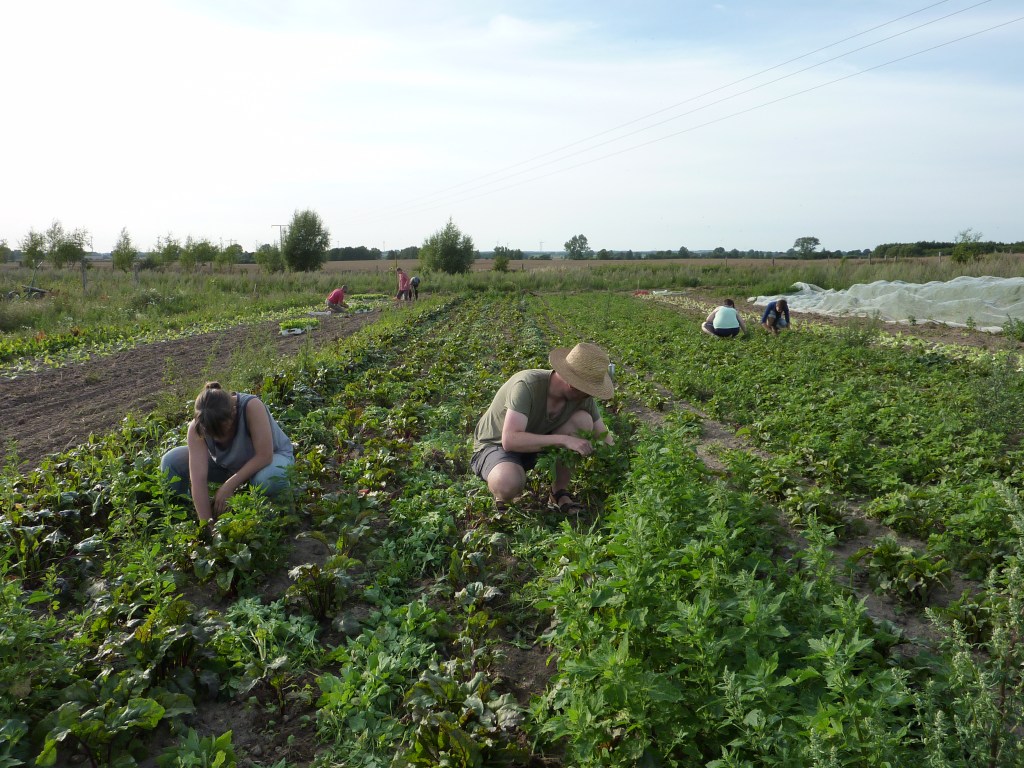
Localised self-sufficiency and resource sharing will be essential, and food security an absolute priority, with a shift from importing food to growing locally. Innovative measures will include a basic income for farmers. Huge gains can be made through the reduction of food waste, very high in Sheffield, currently making up around a third of the contents of our black bins.
Biodiversity loss poses a serious threat to food security – not least because we need a thriving population of insects to pollinate our crops. Urgent measures are needed to recover habitats and reduce toxins such as pesticides.
Manufacturing supply chains will be repurposed to support the development of renewable energy and sustainable public transport, and to ensure the availability of clean water, nutritious food, pharmaceuticals, and other necessities of life.
We urgently need our government and local governments to step up and act.
Discover more from Tell the Truth Sheffield
Subscribe to get the latest posts sent to your email.

