
A guest blog by Karine Nohr

Previously, food could not be stored for long periods and so was available only at harvesting times. It was eaten fresh and seasonally, with limited use of preserving methods, such as bottling, fermenting or drying.
But now, food preservation includes chemical processing, preservatives and packaging. The development of plastics, a synthetic product derived from Oil, has massively facilitated efficient food packaging. But this is hugely problematic, such as the ever-increasing piles of plastic waste on both land and at sea.
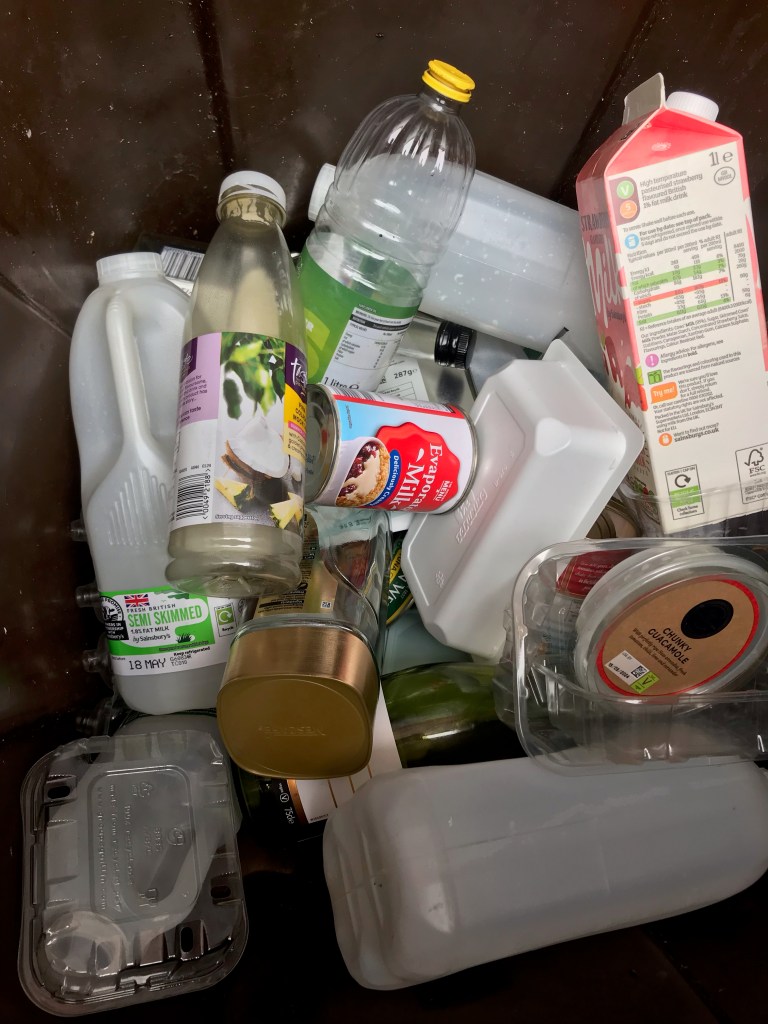
Over 400 million tons of plastics are produced every year; about 20% of it is used for
food packaging. Limited rules about the use of plastics in food packaging are rarely
enforced. You just won’t know if the plastic used to package your food is safe for you.
Plastic is not inert, meaning that it interacts with the environment. So another big
problem is food packaging, the chemicals of which can leak into food. For example, you
may have wondered, when you see the label ‘BPA free’ on a plastic bottle, what does this actually mean and anyway, why should I care that it’s BPA free? BPA, bisphenol A is an endocrine disruptor; meaning that it disrupts our hormone system. This is worrying because it might interfere with fertility, and brain development in foetuses and children, as well as possible links with high blood pressure, diabetes and heart disease.
Other known chemicals in plastics include organophosphonates and perchlorate,
known to have deleterious effects on the brain. But there are also many unknown chemicals in food-wrapping plastics, and it can take decades to find out if they are safe, or whether they cause cancer or any other disease. And because the use of plastics is so convenient, the profit motive to just get on with using it in food means that we may be exposing ourselves to a multitude of nasty, toxic chemicals.
Additionally, many pre-prepared dinners/beverages have long storage times and are
designed to be heated in their plastic containers, thus increasing the rate of leakage of
chemicals. For example, hot drinks served in polystyrene contain carcinogens and endocrine disruptors. Leaking chemicals may in fact be causing a significant proportion of diseases that are being suffered in contemporary society.
Many pre-processed foods are highly processed foods (HPFs), which in any case are
really bad for your health, (a basic rule of thumb is there are more than 4 ingredients it’s
highly likely HPF).
HPFs will also have contamination from the equipment used to make it in the first
place.
Because plastic wrapping makes food so convenient, it is one of the contributory
factors in our tendency to buy more than we really need which in turn contributes to both food wastage and obesity.
So what can we do about this? Buying supermarket food that isn’t wrapped in plastic
is a challenge. Plastic has made our lives easier and more convenient. But the cost to both our health and the Planet of our abundant use of plastic is going to end up, literally, costing us the Earth. Nevertheless, we have the power to make some choices.
AVOID HPFs when you can.
BOYCOTT PLASTIC when you can. Don’t buy those vegetables wrapped in
shrink-plastic and avoid single-use plastics, shockingly still not yet banned. Rather buy loose fresh fruit and vegetables, preferably locally sourced and seasonal. Leave all packaging at the till and tell the supermarket why you are doing it. The message will soon get through.
GET A WATER BOTTLE: single-use plastic bottles are some of the most prolific
items on the planet. UK tap water is some of the best on the Planet, particularly in Yorkshire!
Don’t reheat your food in plastic containers. With takeaway hot drinks, use your own
REUSABLE CUP (many retailers give you a discount for this).
Use plates and bowls to store your food.
Your choices DO make a difference, for both you and your Planet
Further reading
Take Action!
See https://sheffieldactiononplastic.co.uk/
Please subscribe to my blog and get each post delivered free to your inbox.
Discover more from Tell the Truth Sheffield
Subscribe to get the latest posts sent to your email.
