
by Rosalind Dean

Climate change and biodiversity loss are global problems that need global solutions. A great swathe of the world around the equator has huge potential for generating solar power. The cost of solar power generation plummeted by around 80% in the decade after 2013. Can we, as a world, bring these two things together?
Developing countries want, can and should have more electricity. The gains can show up in economic activity, better productivity, and well-being. Children can do their homework after dark; farmers and fishers can find out which markets have the best prices tomorrow; electric cooking saves women from spending hours collecting firewood; families can keep in touch; there can be early warning of weather emergencies; clinics can refrigerate vaccines; and mobile phones can be charged, so that people can access information and advice on managing in the face of change.
Fossil fuels are still seen as the future in some circles, even though clean is cheaper than the dirty across more and more sectors and positive tipping points in cost and adoption are being unlocked.
The Mozambique Liquid Natural Gas (LNG) Project is an example. It looked like a huge bonanza for the very poor Mozambique when gas was discovered in 2010. At one point, the World Bank projected 34% GDP growth. So far, it has only been 2.5%, with the project beset by insurgency, disputed land appropriation, alleged corruption, legal action, accusations of human rights abuses and dubious contracts. There is the possibility that the whole thing might become a “stranded asset” as the gas is largely destined for export to Europe, where demand is plummeting.
UK Export Finance, a department of the UK government, is still considering whether to recommit $1.15 billion to the stalled project. Even though the UK agreed in 2021 to end public finance for fossil fuel projects abroad. Could that money be invested in a robust renewable electricity system for Mozambique? Currently, only 40% of Mozambicans have access to electricity.
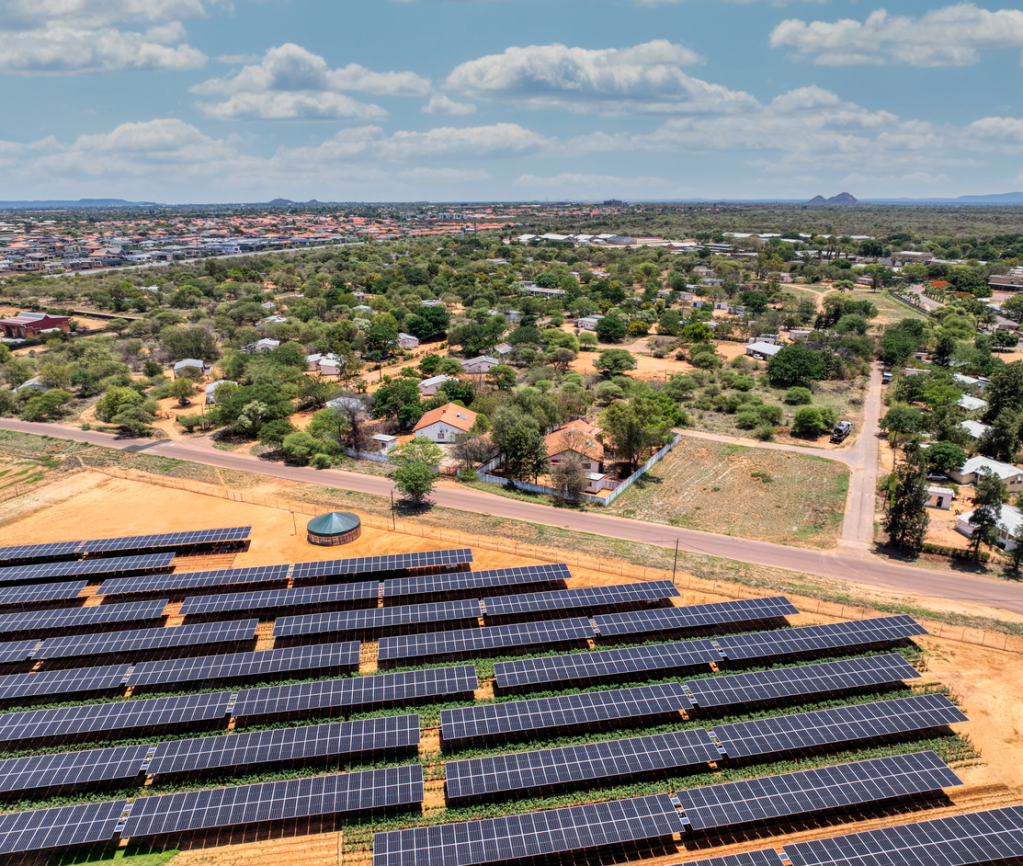
What an opportunity for all of us if emerging markets can leapfrog dirty generation and move straight to clean sources of electricity.
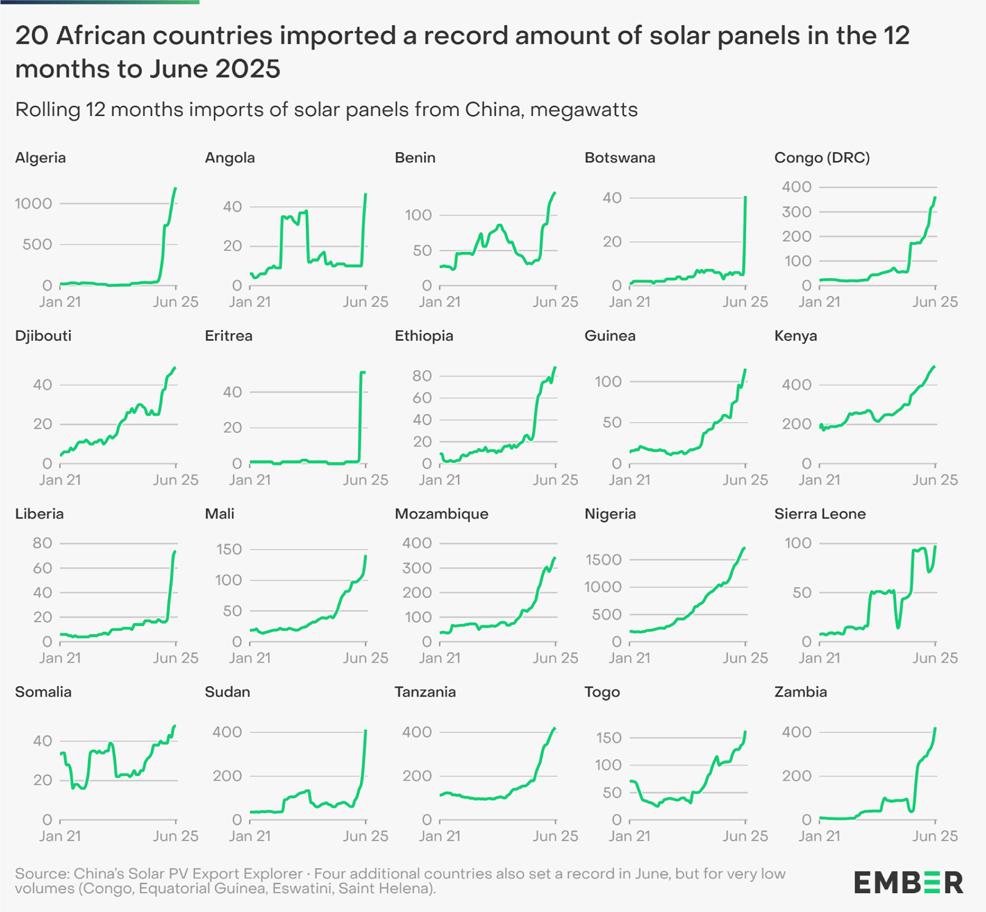
One of the little-known success stories here is China. China often gets a bad press because it is still the largest single emitter of greenhouse gases, with around 30% of the world’s total and half the world’s coal plants. But it also had the world’s biggest investment in clean energy in the 5 years from 2019, bigger than the European Union. In 2022, the solar power added by China was 45% of the world’s total. Its emissions are likely to peak around now. China is also helping drive clean energy expansion in partner developing countries
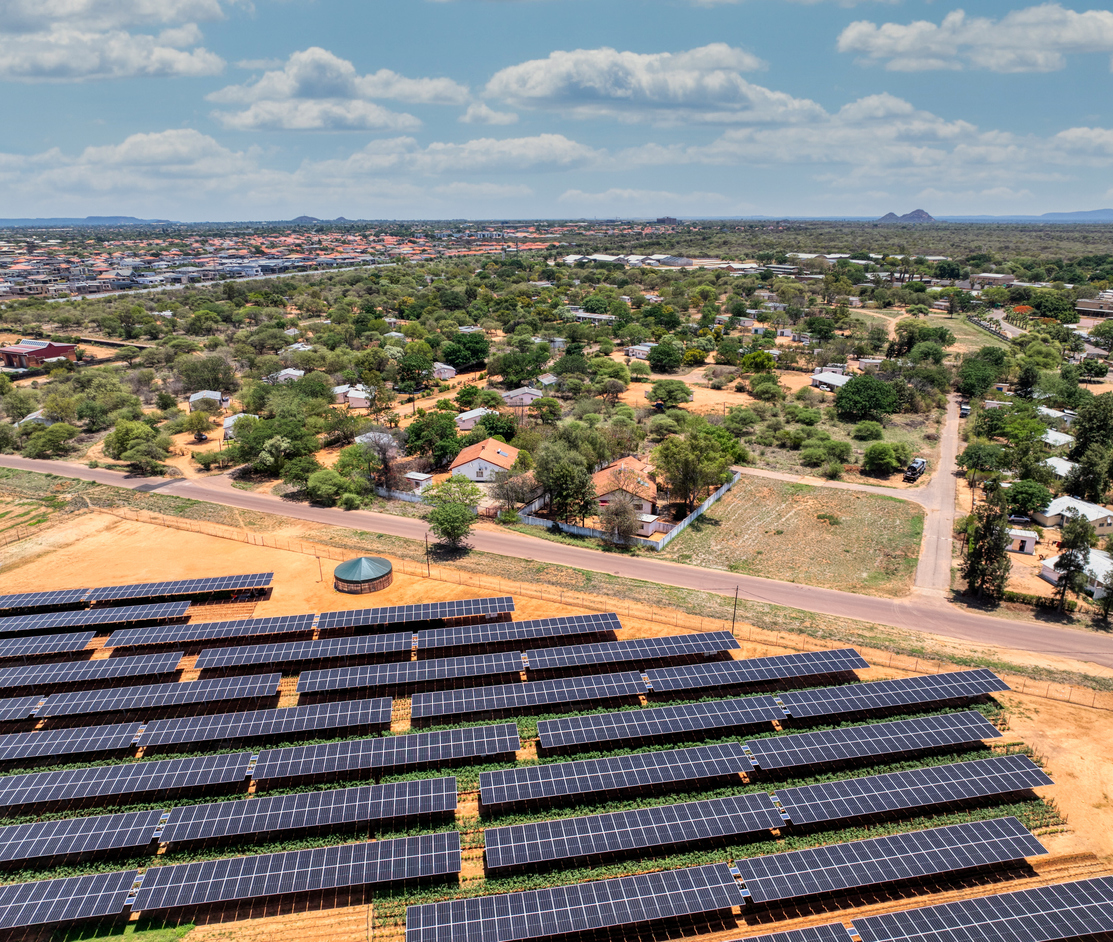
This vision requires investment, of course. Though not as much as we might think. The world has seen an extraordinary reduction in the cost of solar electricity generation: about 80% since 2013. The cost of battery storage has shrunk by 99% since 1990. Africa currently gets only 2% of investment, even though 60% of the best solar resources are in Africa. Solar power has the capacity to run on a decentralised basis. Villages that are off-grid can have their own source of power under their own control. This is actually happening in Mozambique’s near neighbours, Kenya, Rwanda and Tanzania. This includes an innovative form of end-user financing under a Pay As You Go model, saving households, businesses and communities from big up-front payments.
What a shame that our aid budget is being cut. Though Growth Gateway is a UK government programme that promotes sustainable economic growth by increasing trade and investment. It provides help for new (green) company start-ups in Africa, as well as British companies that want to invest in green sectors in Africa.
This is a local blog, so what is the local relevance? The first thing is, of course, that we are all in this together. If we can encourage the development of clean electricity in Africa, it will slow the accumulation of greenhouse gases for us all. It will allow other people to experience some of the comforts, well-being, good health and prosperity that most of us experience. It could reduce the climate pressures of floods and droughts that drive people away from their homes.
What can we do? I think a big thing is for us to be aware of the possibilities. The climate and biodiversity crises are not all doom and gloom; there are also exciting possibilities. Obviously, bringing political pressure to bear, as citizens and voters, is a start. We do, after all, have Ed Miliband, the Minister for Energy Security and Net Zero, as an MP in Yorkshire. If we are lucky enough to have money to invest, we could consider where our resources might have the greatest impact. If we contribute to a pension fund, we might ask where our savings are placed, perhaps jointly with others in our workplace.
But if 85% of us think that climate change is real, and we want action, what bigger opportunity do we have than to make sure that investment goes to the places where it will have the most impact?
Discover more from Tell the Truth Sheffield
Subscribe to get the latest posts sent to your email.
