

The Barstool Research Project Results
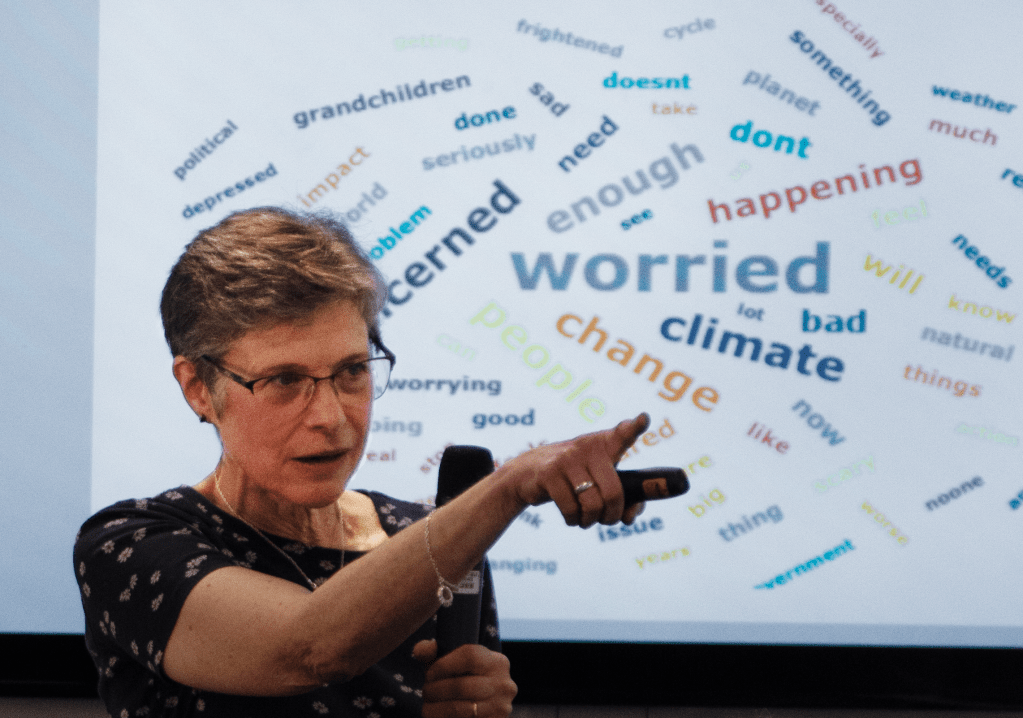
On Thursday, October 23rd, a large gathering of people interested in climate change came to hear the results of the Barstool Research Project at Sheffield University. Dr Kathy Aston and Lauren Jones have been conducting Climate Conversations since 2018. Barstool events have been run in public places, such as shopping centres and sports venues, where members of the public are asked what they think and feel about climate change. The aim was to get people talking about climate change, get out of the “greenie echo chamber”, and to collect and share the responses. Talking about climate change raises awareness, helps with climate anxiety and can lead to action, whether this is lifestyle changes or pressuring politicians to prioritise this issue. Venues for the conversations included Tudor Square, Crystal Peaks, Sharrow Festival, Parkgate Shopping Centre, Magna, Darnall Library, Morrisons and many more.
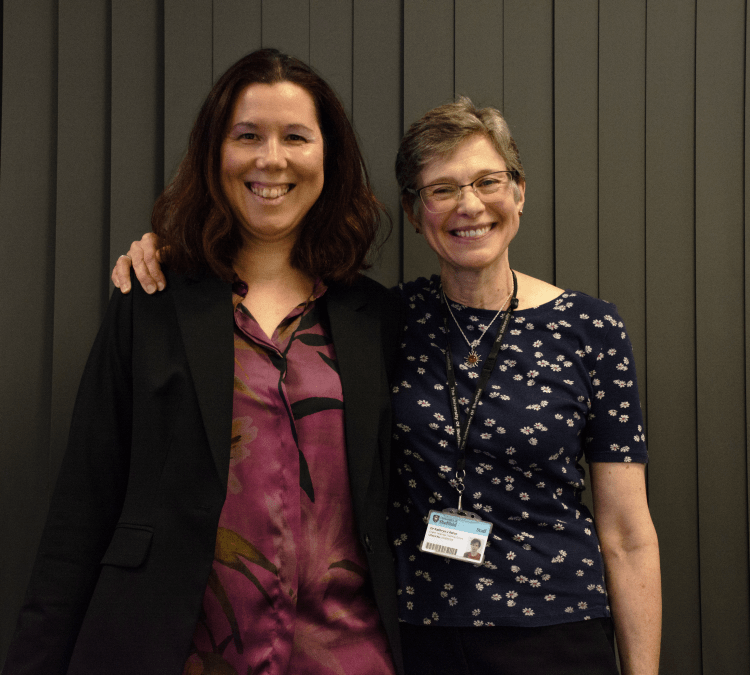
Tribute was paid to Nick Nuttgens, who helped set up the Climate Communications Hub in 2018 but sadly died in 2023.
Three questions were asked of every participant. So before reading on, have a think about how you would have responded.
1. How do you feel about Climate Change?
2. What do you think has the most effect on climate change?
3. What do you think should be done about it, if anything?
Kathy and Lauren asked the questions and then listened to and recorded the answers. The participants were self-selecting, so this was a limitation of the research.
What did they find out?
The most common feelings included worried, concerned, scared, sad and terrified, with one person admitting that they were “pants-wettingly scared”! 83% of respondents mentioned one or more of concerned, anxious, frightened, sad or frustrated. These people might like to read last week’s article on “Active Hope.” Only 3% thought it was a natural cycle, and 1.5% thought there wasn’t enough evidence. Overall, there is a very high level of concern and a very low level of denial or ignorance.
This is very much in line with Climate Outreach research, which found that 74% of people thought climate change was important, 55% were worried, 28% were frustrated, and 17% were angry.
Responses to “What has the most effect on Climate Change?” showed most people thought fossil fuels, pollution and greenhouse gases (57%), but other answers included business and industry (25%), Humans in general (19%), Waste (17%) and Government inaction (15%). It seems the message about fossil fuels causing climate change has got through, but maybe other important factors, like eating meat or flying, have not. What was encouraging is that people no longer blame poor lifestyle choice for climate change, but rather are looking for Governments, Businesses and Councils to do far more. People realise that fossil fuel use and other harmful practices are embedded in our lives, so we need societal change to combat this.
A large proportion of people (17%) thought waste had a major effect on climate change. Although waste is an incredibly important environmental issue, it has little impact on climate change. Members of the audience suggested that this misconception was due to the school curriculum. Primary school children, when discussing the environment, are often encouraged to litter pick and reduce waste, as it is something they can easily do. But this is then conflated as a solution to climate change. In fact, the top 7 causes of climate change, according to the United Nations, are
- Generating power.
2. Manufacturing goods.
3. Cutting down forests.
4. Using transportation.
5. Producing food.
6. Powering buildings.
7. Consuming too much.
14% of participants thought agriculture or diet had a big impact on climate change, yet only 8% thought it was important to change farming practices or diet. 13% thought consumerism or capitalism had a big impact on climate change, but only 7% thought it was important to make consumption greener.
The final question was “What do you think should be done?” By far the most popular answer was Government Action (58%) (which included responses like transition from fossil fuels and better public transport). Most people think tackling climate action goes beyond individual action and is the responsibility of governments. Again, this is in line with the Climate Outreach results, which found that support for renewable energy vastly outweighs opposition. For example, only 15% of people don’t like seeing wind turbines in the countryside, only 11% of people don’t like seeing solar panels on roofs, and only 6% of people would feel positive about their local council blocking local wind or solar farms near their house.
Two more low percentages included Protect Nature (9%) and Better Buildings (4%).
Protecting Nature is vital as it is our forests and oceans that absorb much of our CO2, preventing it from polluting the atmosphere and adding to global heating. Unfortunately, these carbon sinks are now failing, resulting in this year’s record increase in the amount of CO2 in the atmosphere.
Insulating buildings should be a top priority in combating climate change, as it reduces our energy demand as well as keeping buildings cool in heatwaves. Insulation reduces emissions, reduces people’s bills and reduces the need for more energy infrastructure. A win, win, win!
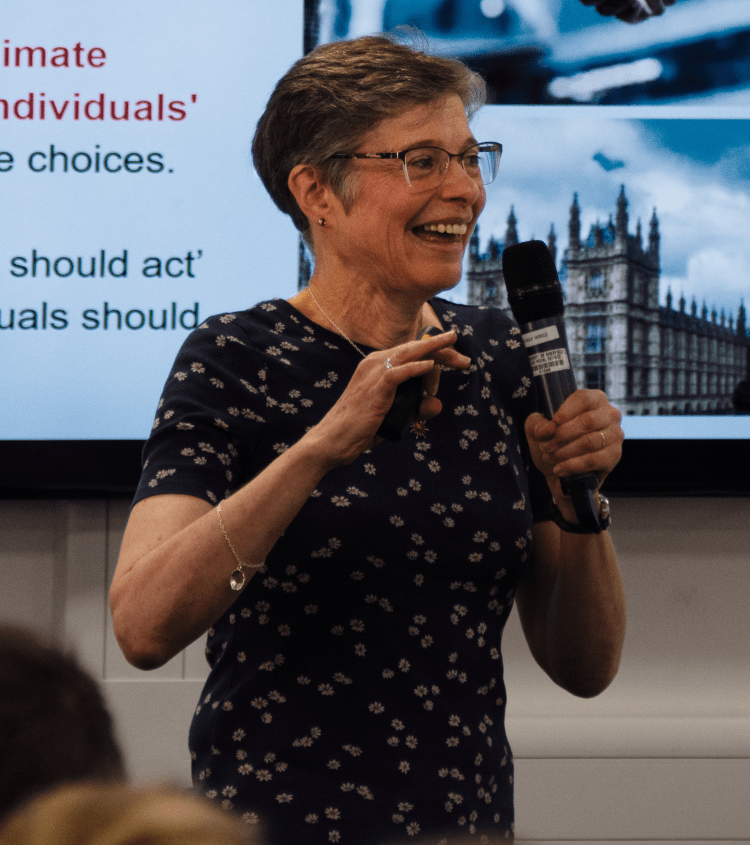
People rarely recognised the importance of encouraging walking and cycling (4%) or reducing flights (also 4%). There is often noisy opposition to policies that encourage walking and cycling but when successful ( see the Netherlands) this improves the environment for everybody, reduces obesity, and reduces travel time as people are no longer stuck in traffic jams. Most flights are taken by the extremely rich. In the UK, 70% of flights are made by the wealthiest 15% of the population, with 57% not flying abroad at all. A frequent flyer levy could help in this and fund other green policies.
I was encouraged by the findings and pleased that most people now recognise that Governments and Businesses must take the lead in addressing climate change. But to get them to do this requires political action. Maybe the most important thing Sheffielders can do about climate change is to get involved in a campaign or a political party that puts climate at the top of the agenda.
The presentation can be viewed here and more details about the project are here.
Discover more from Tell the Truth Sheffield
Subscribe to get the latest posts sent to your email.
