
Insects are not the most popular creatures on this planet. When I was a teacher there was nothing worse than the entrance of a wasp to the classroom, which was guaranteed to promote extreme anxiety in some of the youngsters. Some people positively hate insects and will reach for insecticide at the first sight of any creepy crawly. But insects are the most successful group of animals on earth and have been for more than 400 million years. Scientists have categorised over a million species and there are probably lots more still to find. There are far more insects than people and we couldn’t survive without them.
In the last few decades, we have seen insect populations all over the world collapse with terrifying speed. The declines are so severe that we stand on the brink of total ecosystem collapse.
Dave Goulson, Professor of Biology at the University of Sussex, writes
“The bulk of all animal life, whether measured by biomass, numerical abundance or numbers of species, is comprised of invertebrates such as insects, spiders, worms and so on. These innumerable little creatures are far more important for the functioning of ecosystems than the large animals that tend to attract most of our attention. Insects are food for larger animals including birds, bats, reptiles, amphibians and fish, and they perform vital roles such as pollination of crops and wildflowers, pest control and nutrient recycling. There have been several recent scientific reports describing the rapid decline of insects at a global scale, and these should be a cause of the gravest concern.”
In some places, insects may be in a state of catastrophic population collapse. In the UK we lack data on this as there has been little research. We know butterflies and moths are broadly in decline, particularly in farmland and in the south. Bees and hoverflies are also in decline.
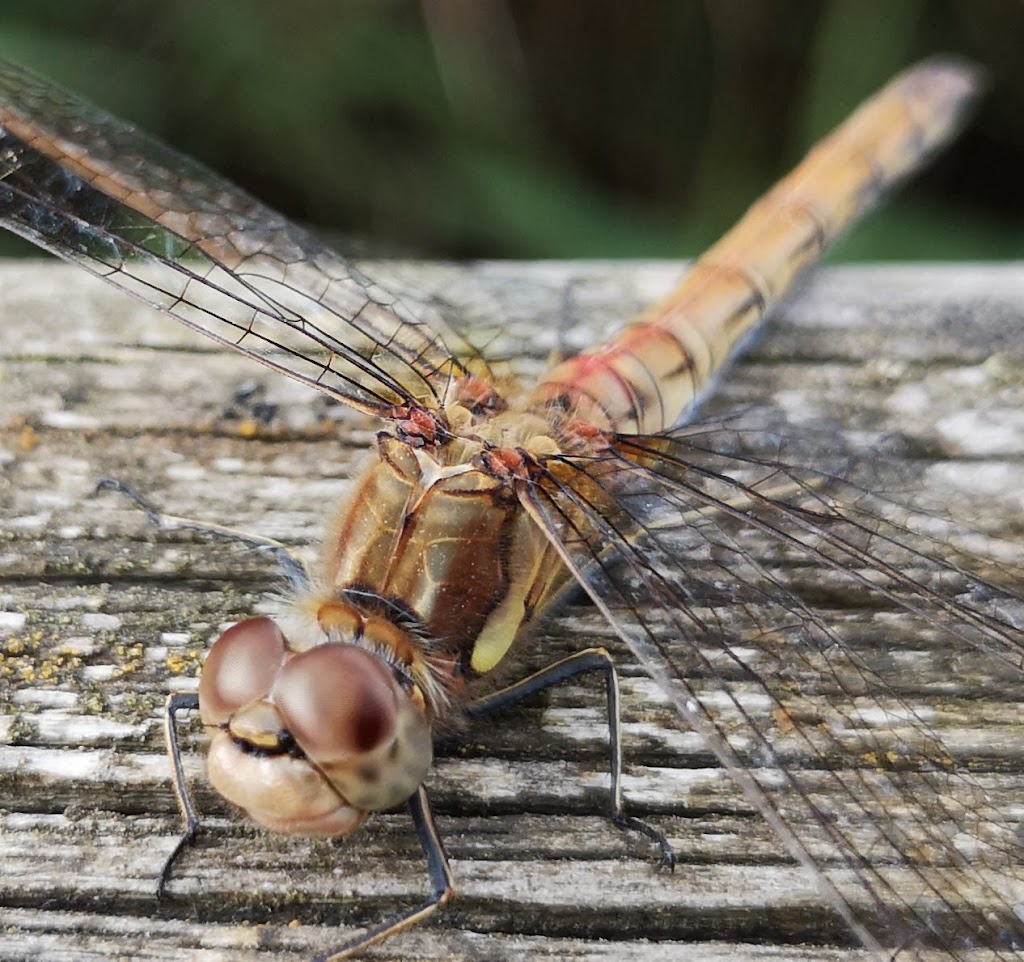
There are many causes for this population collapse. Habitat loss, pesticides and herbicides, intensive farming and climate change are all playing a part.
In China things have got so bad that humans are now having to do the work of bees, pollinating the apple and pear trees by hand. (More research here).
In the UK we are witnessing a worrying decline in birdlife. Lack of insect food is a factor in this.
Goulson continues “The consequences are clear; if insect declines are not halted, ecosystems will collapse, with profound consequences for human wellbeing. The good news is that it is not too late; few insects have gone extinct so far, and populations can rapidly recover. We urgently need to stop all routine and unnecessary use of pesticides and start to build a nature recovery network by creating more and better connected, insect-friendly habitats in our gardens, towns, cities and countryside. Only by working together can we address the causes of insect decline, halt and reverse them, and secure a sustainable future for insect life and for ourselves.”

We need to monitor and record what is happening to our insect friends. I recently accompanied a small team led by Myriapod expert Paul Richards monitoring invertebrate life in Graves Park. We used a net to sweep the bushes, trees and long grass, looked under dead wood as well as in traps made from egg boxes that Paul had set in the woodland. We found over 30 different species. Who knew there were 40 different types of Woodlice in the UK? Harlequin Ladybirds were extremely numerous. These are invasive species that were introduced into the UK just 20 years ago and are now much more common than our native ladybird. We found Lacewing, Crab Spiders, Bark Fly, Money Spider, Harvestmen, various Millipedes and Centipedes and Shield bugs. The most exciting find was a Wood Hopper, something rarely seen in these parts.
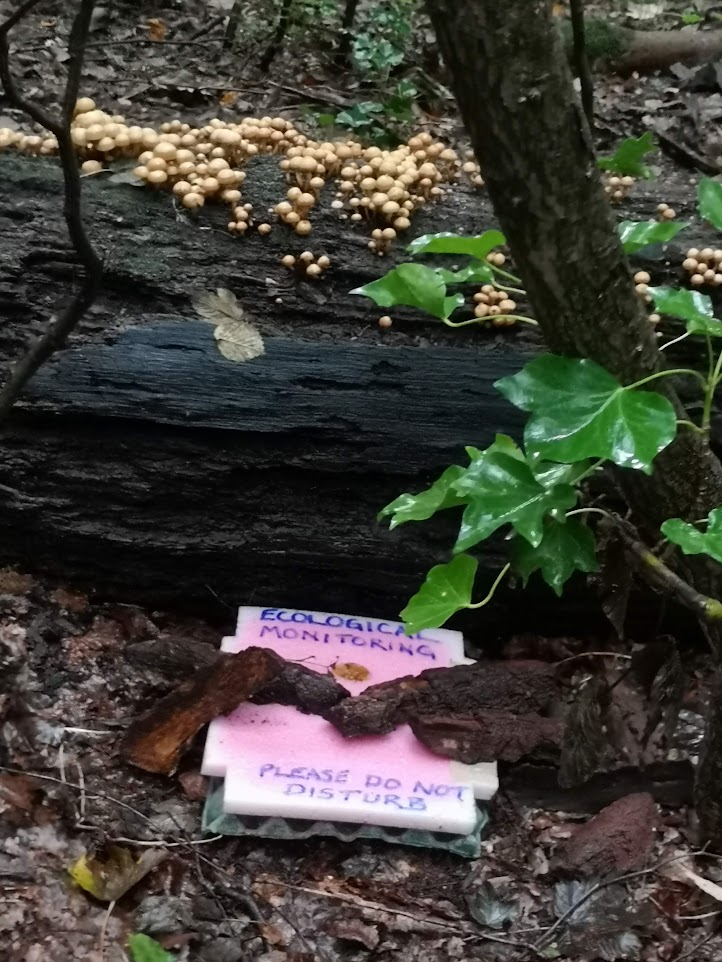
Prof Ian Rotherham who is leading the project told me “’I think we can see immediate benefits to butterflies, bees, hoverflies etc from the meadow management and consequent knock-on impacts of this on mammals like foxes and birds like kestrels. However, because there is no baseline data it is hard to ascertain change at present. We are seeing new records for the area of butterflies like purple hairstreak and silver-washed fritillary for example. This makes it important to gather current information and records to provide a baseline for future monitoring. With better recorded groups like birds, butterflies, and bats we can judge some of our records against regional or national data. ‘ To get involved visit https://www.ukeconet.org/.
We all need to do our bit to stop the decline in insects. If you have a garden or allotment, stop using chemicals and go organic. Avoid plastic grass and non-permeable surfaces. Grow wildflowers and plants native to this country, especially ones rich in pollen to encourage bees, butterflies and hoverflies. Reduce your frequency of mowing or go one step further and create a wildflower meadow. If you can afford it buy organic produce, or even better grow your own. Government needs to do far more too, improving Nature Education and transforming our agricultural system to nature-friendly production should be top priorities.
Dave Goulson’s book “Silent Earth Averting the Insect Apocalypse” is a great read and is packed with ideas of how you can help. Here is an interview with Dave about his book and here is a talk by Dave Goulson on how to save our insects.
Can you help support the work of TelltheTruthSheffield?
Make a one-time donation
Make a monthly donation
Make a yearly donation
Choose an amount
Or enter a custom amount
Your contribution is appreciated.
Your contribution is appreciated.
Your contribution is appreciated.
DonateDonate monthlyDonate yearlyDiscover more from Tell the Truth Sheffield
Subscribe to get the latest posts sent to your email.
