
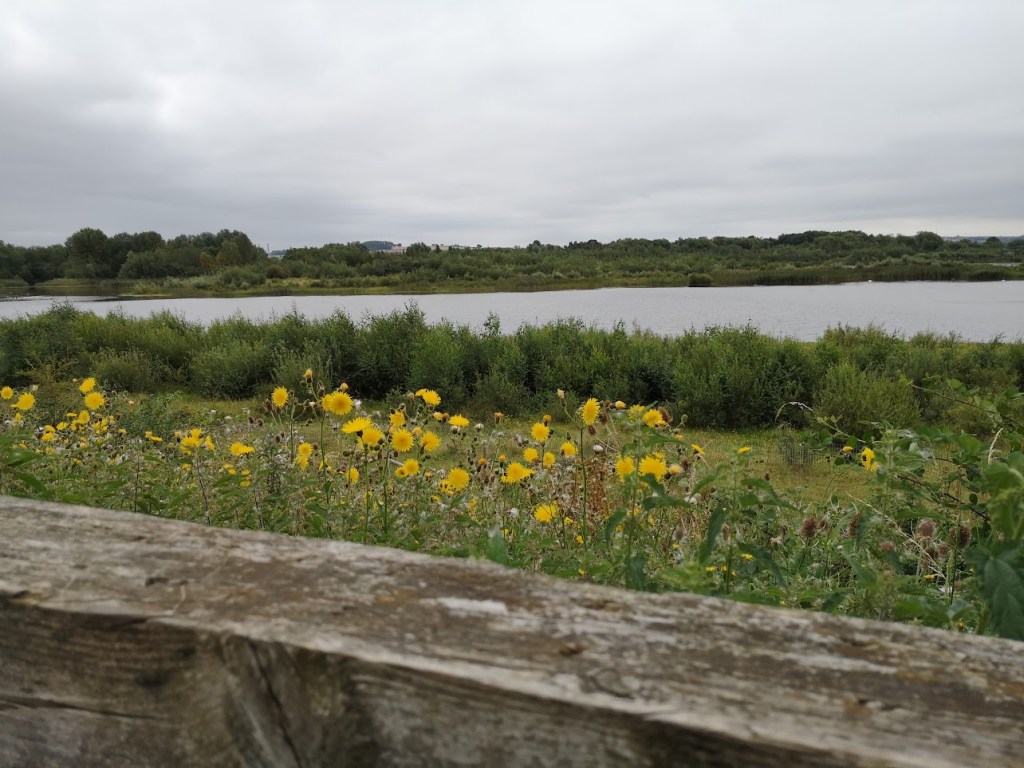
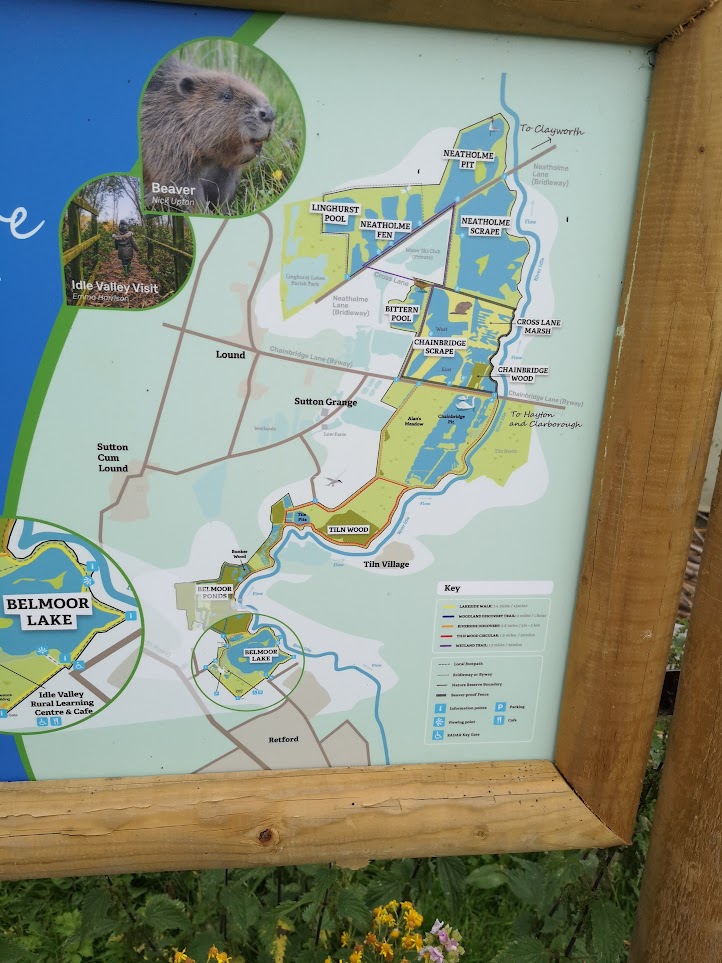
I am delighted to hear that the Yorkshire Regional Flood and Coastal Committee has granted Sheffield Council £96,000 to examine the prospect of reintroducing beavers within the city boundary. So much so, I booked myself on a Beaver Enclosure Tour at a wildlife centre near Retford. The Idle Valley Nature Reserve is the home of Nottinghamshire’s only beavers.
My guide was Elliott Kean, who really knew his stuff and gave us an extremely interesting afternoon. I highly recommend booking a visit on the Nottinghamshire Wildlife Trust website.
The Eurasian beaver is a large herbivore (plant eater), a mammal native to the UK that was once widespread. Beavers played a crucial role in our wetlands from prehistoric times. They were hunted to extinction in the 16th century for their fur, meat and scent glands that were used for perfume and medicine. The loss of this charismatic species led to a loss of lakes, meres, mires, tarns and boggy places they so brilliantly built.
Beavers are slowly being reintroduced to the UK in a number of different locations. They’re known as keystone species and ecosystem engineers, famous for their ability to transform landscapes, boost biodiversity, alleviate flooding, and capture carbon. With wildfires becoming increasingly common Beavers also provide fire breaks and a vital water source for wildlife in times of drought.
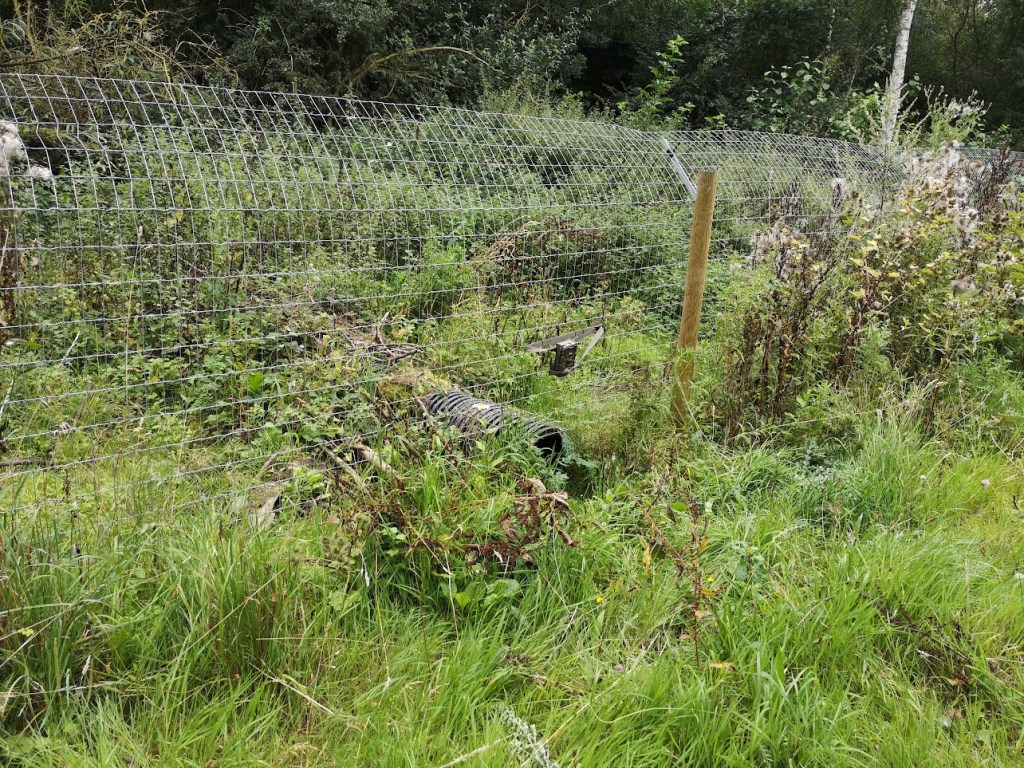
The Idle Valley beaver enclosure is the largest in the UK with space for not just a couple of beavers but up to 18 – that’s 3 families of 6 in three separate territories! It is possible that their offspring might be relocated to the Sheffield area.
The beavers manage their environment in ways that benefit other species. They remove willow from reedbeds, which will improve habitat for bittern and snipe. Piles of wood in the water benefit aquatic insects and fish. Small channels and scrapes create habitats for spawning amphibians.
Nottinghamshire Wildlife Trust is monitoring the longer-term impact of the beavers and plans to identify opportunities to improve habitats further for vulnerable species such as otter, water vole, bittern, turtledove and nightingale.

The beavers were originally living on Tayside in Scotland and after a period of quarantine and health checks at Five Sisters Zoo, the Beaver Trust carefully transported them to Idle Valley. The long-term vision is to enhance, protect and connect habitats as part of efforts to ensure 30% of land across the UK can support nature’s recovery by 2030.
Councillor Douglas Johnson, who is Sheffield Council’s representative on the Yorkshire Regional Flood and Coastal Committee, said “As the risk of catastrophic flooding increases due to climate change, more attention is being turned to Nature-Based Solutions. I have argued that funding for flood risk management needs to focus more on natural flood management as a way of future-proofing climate change resilience. So I am really pleased we have this innovative source of funds to support a beaver project.
“The study gives us the opportunity to examine the issues close to a major city, where thousands of homes and businesses are at risk of flooding.
“By slowing down the rate of water flow from the large upland areas to the west of Sheffield, we have the potential to safeguard homes, businesses and infrastructure in our city and further downstream in Rotherham and Doncaster.
“This funding outcome is down to the hard work of council staff working together in flood risk management and ecology, as well as external partners.”
According to Roy Mosley, Head of Conservation at Sheffield and Rotherham Wildlife trust, Blacka Moor nature reserve is one of the areas being looked at and the early indications suggest that the habitat is suitable.

The Idle Valley beaver’s home is a fairly flat area, with lots of lakes and wetlands. As they have plenty of depth of water and no access to the river they haven’t needed to build themselves any dams. But if beavers were released in the hills around Sheffield their engineering instincts would soon have them slowing the flow of our rivers, reducing the risk of flooding.
Beverley in East Yorkshire gets its name from Beavers as does Bevercotes, six miles south of Retford. They were once as much a part of our ecosystem as they are in Canada today. Beavers in Devon, Northumberland and Argyll have been released in the wild and are providing many benefits to the ecosystem and to humans.

George Monbiot wrote the groundbreaking book “Feral” about re-wilding. He notes beavers “are mild plant-eating animals, popular with the people of the UK: an opinion poll found that 86% were in favour of the Beavers reintroduction. But listening to the small but powerful group of landowners fighting to prevent their reinstatement in this country you would mistake the species in question for a sabre-toothed cat or a velociraptor.
The body in charge of conservation in Scotland, Scottish Natural Heritage, started to investigate the idea of reintroducing beavers in 1994. Landowners responded furiously. After 10 years in which half a million pounds was spent assessing every possible danger the beavers might present, the Scottish Government gave up and cancelled the project. An ecologist who was involved in this fiasco told me that during a meeting which took place after six years of negotiations, one of the men who own the fishing rights on Scotland’s rivers exclaimed “I hear what you say, and I can understand why some people like these animals, but I will not have them coming into my river and eating my fish.”
There was a deathly silence as the biologists realised that, through all these years of diplomacy and explanation, he still had not accepted that beavers are herbivorous.”
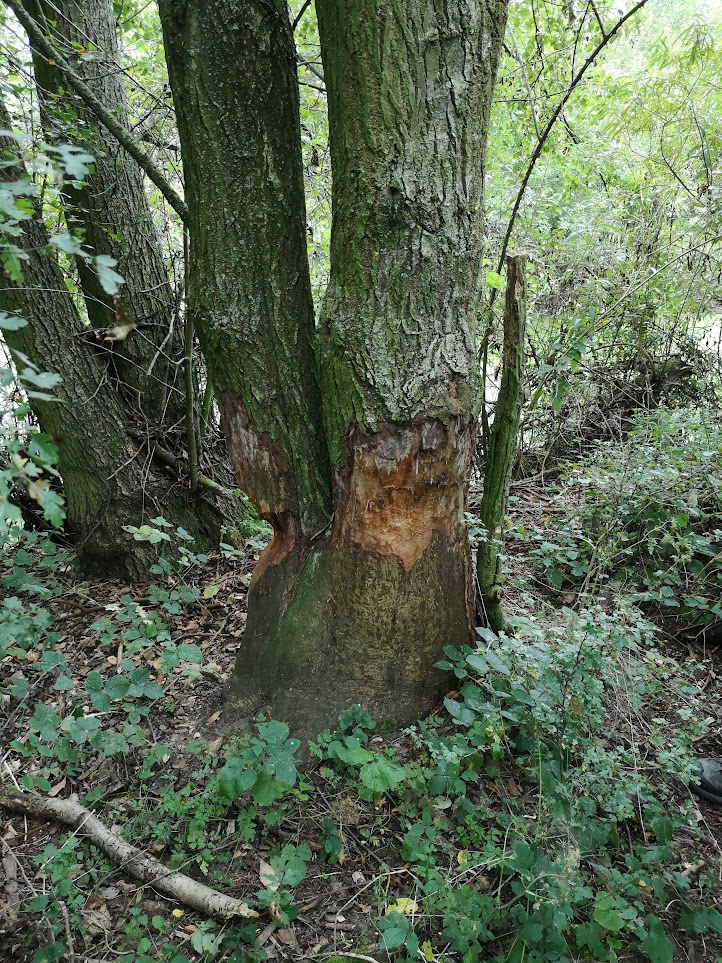
Another reason people object to beavers is that they cut down trees. But trees they eat tend to be those which coppice or sucker well, such as aspen, willow, and ash. The scrub this creates beside the rivers provides shelter for birds and mammals and the coppiced trees regenerate.

Others say beavers spread disease. But the truth is they could reduce it, as their dams filter out the sediments containing faecal bacteria.” It’s true that Beavers do sometimes come into conflict with landowners. We have much to learn from Bavaria in this.
I long to see beavers reintroduced in our area, and hope other species will follow too. Wolves, bears, lynx, wildcats and boar are just some of the species that have been exterminated from our country and our eco-systems are much poorer for their loss.

Discover more from Tell the Truth Sheffield
Subscribe to get the latest posts sent to your email.

Brilliant article! I’ve seen their re-introducti
LikeLike