
I am delighted to share a blog this week by Professor Ian Rotherham
Climate change and biodiversity extinction are two of the frightening environmental challenges that we, our children, and their future face. However, despite the scary, almost apocalyptic coverage in many media, there remains the need to actually respond and address the issues and threats wherever we can. Sometimes it is hard to see what we can do and how we can help. Nevertheless, if we take opportunities to re-engage with nature, to tap into our personal wild side, and to re-discover our local greenspaces, then great things are possible. We need to do what we can to limit negative changes whilst at the same time, adapting our landscapes and our behaviours to be more resilient to the changes that will, inevitably, come. With this in mind, it was exciting for me to be approached by the Graves Trust to develop a unique project in the place where I grew up, called ‘Graves Park & Local People Adapting to Climate Change’. I will explain what this is about and how everyone, (not just those in and around Graves Park), can get involved. The project is already underway.
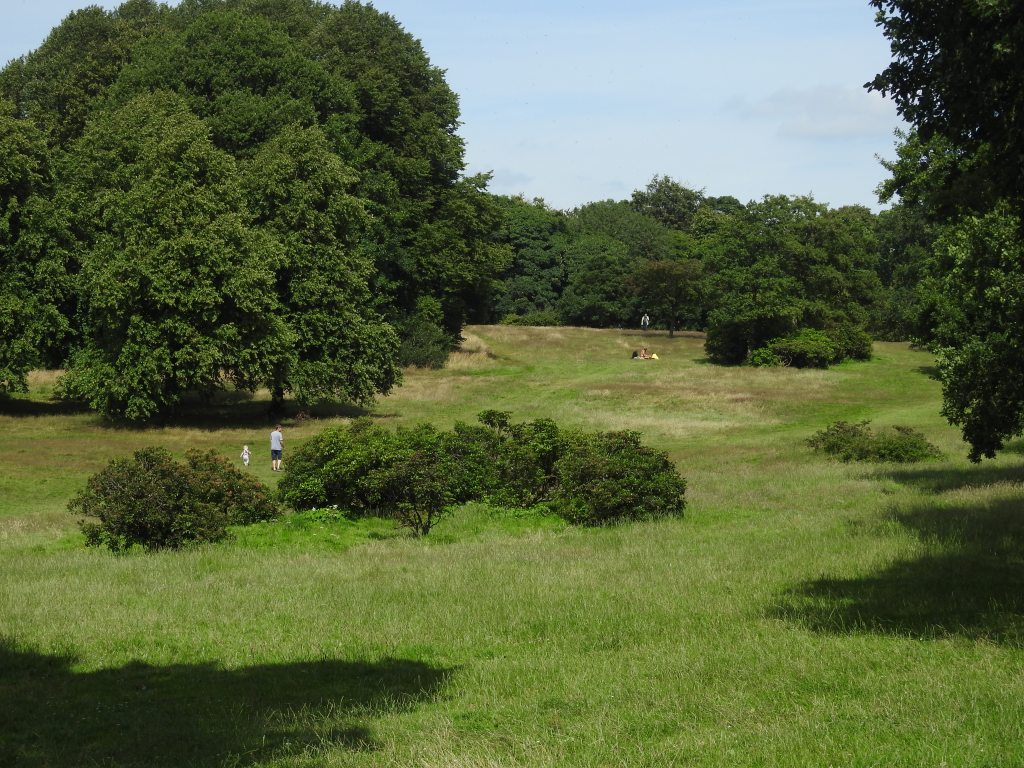
Thanks to generous support from the Graves Trust, South Yorkshire Biodiversity Research Group have just begun a two-year project with local people addressing positive actions to help tackle the issues of climate change and biodiversity loss. This runs alongside an eighteen-month programme of activities funded by the National Lottery Heritage Fund ‘Digging Deeper’ to understand the remarkable heritage of this ancient parkland, and we are collaborating with both Sheffield City Council and the hugely enthusiastic Friends of Graves Park in delivering these. We see this is a unique double opportunity to raise awareness, grow and develop skills and confidence, and to empower local communities to actively address some of the frightening issues we currently face. The park’s strategic position as a major green hub with green corridors as tentacles spreading in every direction is the absolute key, along with its size, with the core area being nearly 250 acres of green space. This connects into the Moss Valley through Oakes Park & Bochum Parkway / Jordanthorpe Parkway to Coal Aston, to Beauchief & Bradway through Chancet & Parkbank Woods, to Lowedges and Greenhill along the ring road, along the Woodseats escarpment and the ancient Bolehill Wood to Meersbrook and the lost Smithy Wood, and through Lees Hall Golf Club and into the Gleadless Valley. The park sits at the top end of a major tributary of the River Sheaf and connects to the Sheaf catchment via The Dale and the open greenspaces of grassland and woodland there as well. This is a landscape where we can really make a difference.



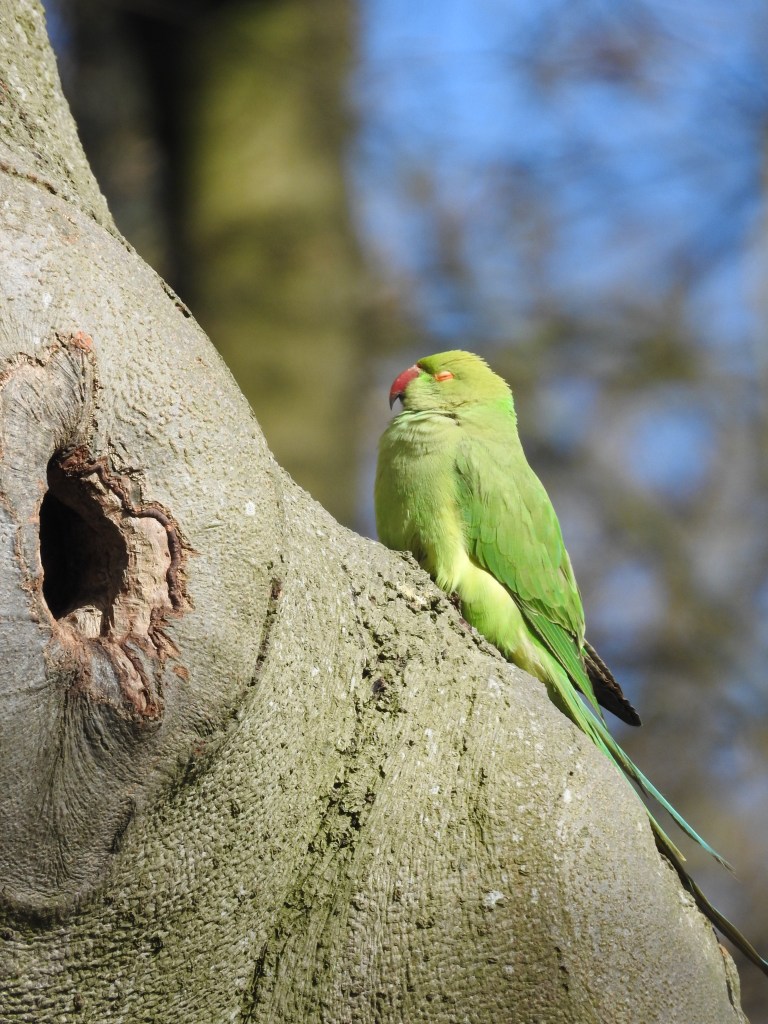
Opportunities:
To increase woodland cover & to improve the condition of the existing woods.
To improve & enhance grasslands & meadows across the region.
To slow the flow of floodwater.
To capture atmospheric carbon & reduce current losses through aggressive soil erosion.
To enhance green corridors in every direction.
To take the messages beyond the park boundaries into local communities – schools, churches, community centres, & public spaces, & into private gardens too.
To make the park a place to demonstrate what can be done and what can be achieved whilst achieving impact across the wider area.
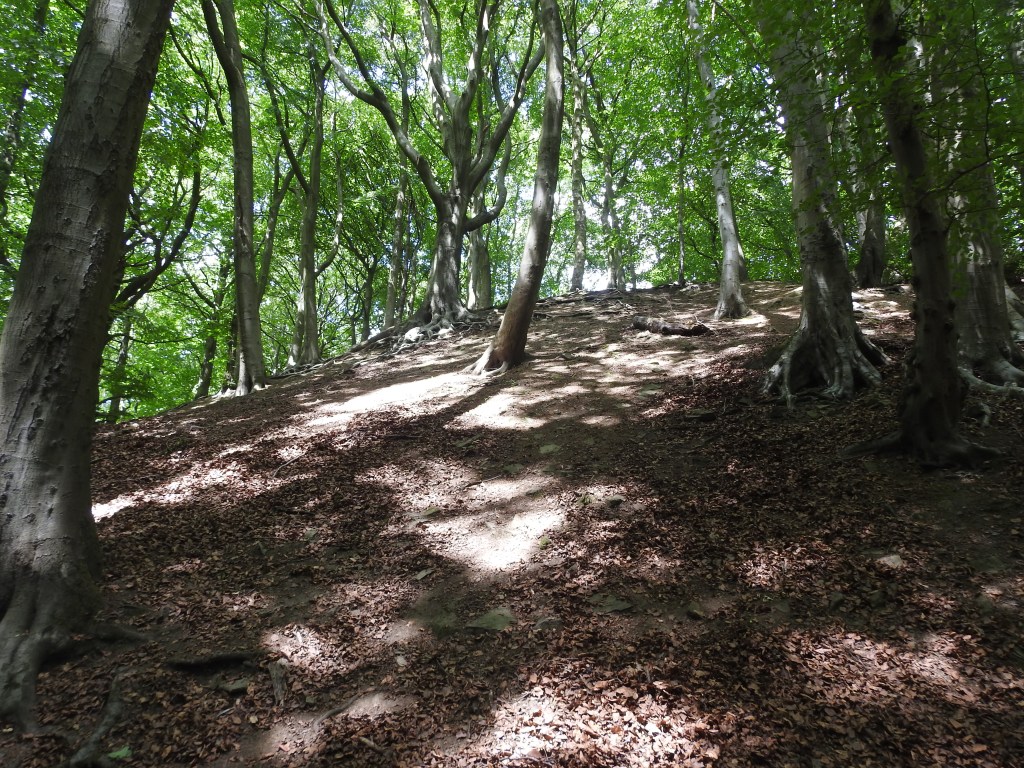
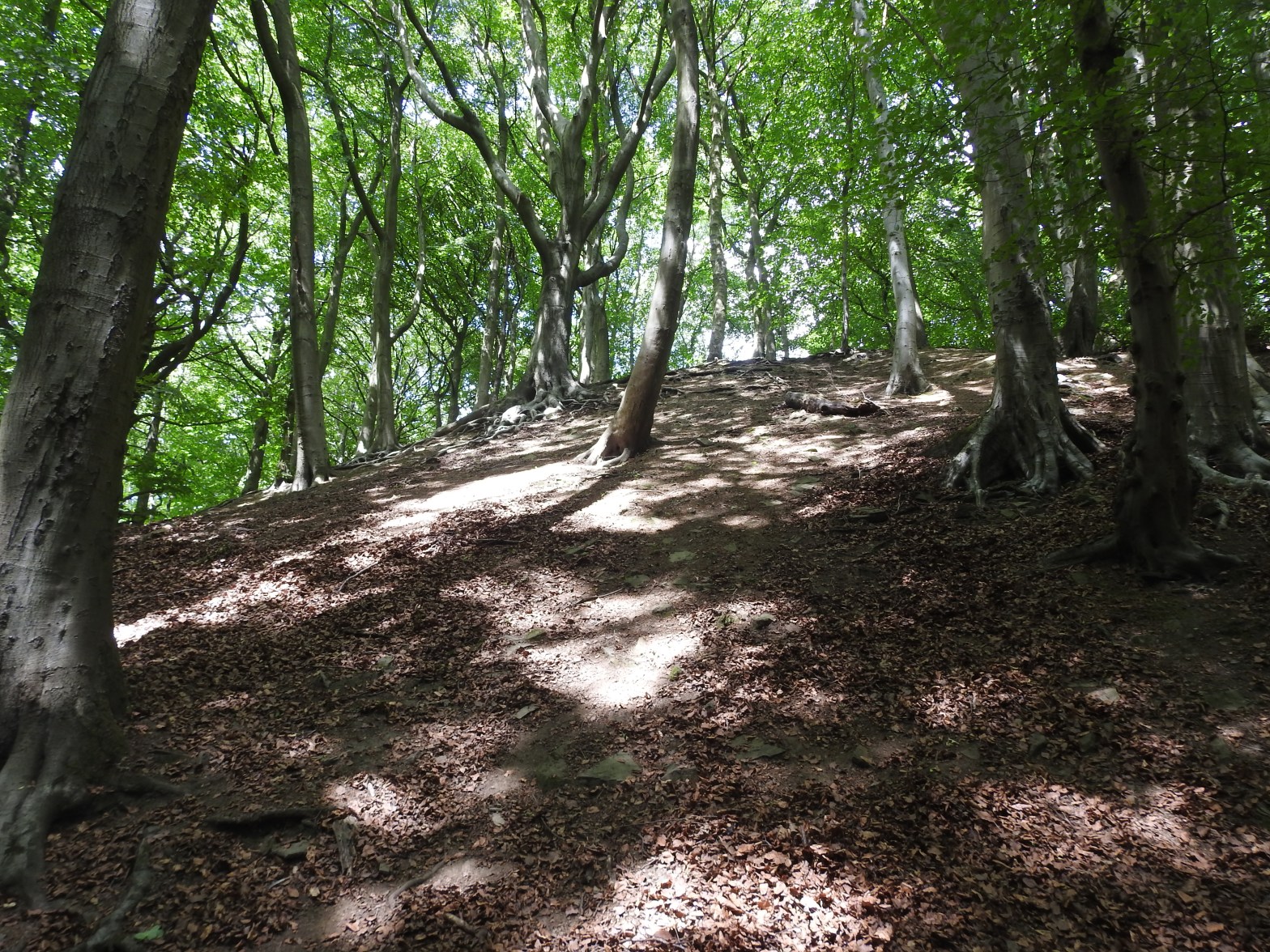
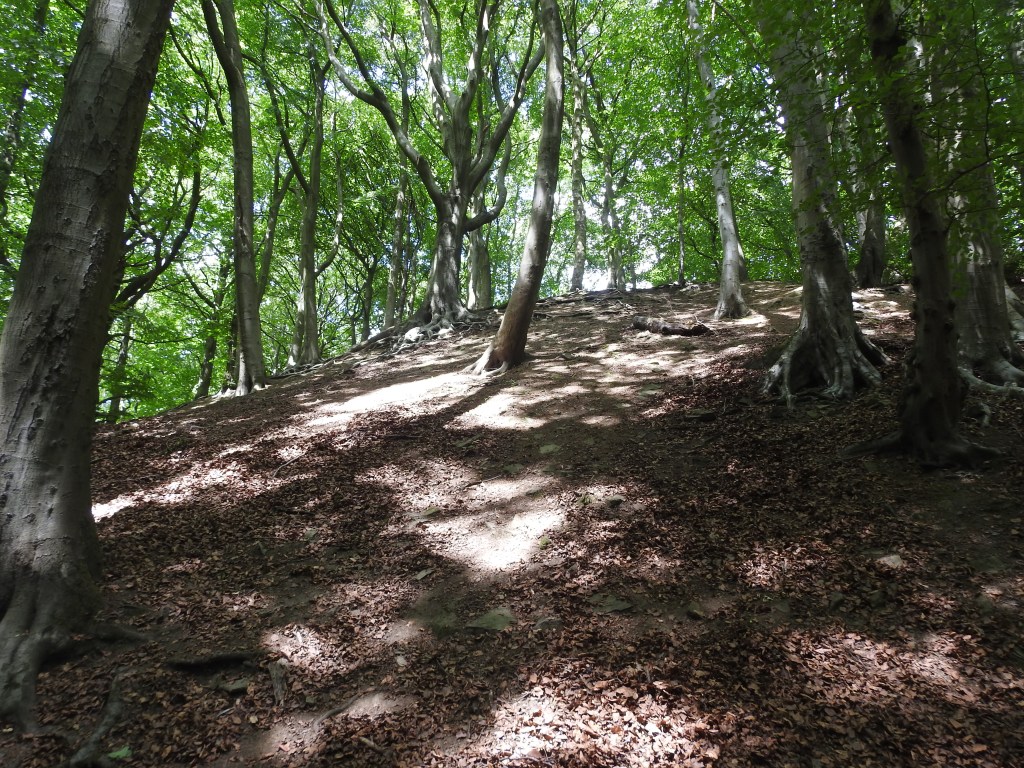
Eroding soils in Cobnar Wood by Ian Rotherham
With demonstrations in and around the park, we are helping show how to identify and survey biodiversity and ecology to gather much-needed ecological information. The climate and biodiversity project aims to engage communities in addressing issues of climate change and biodiversity extinction on their doorstep. Activities focused on the park will gather baseline data to better inform park management and help production of a park management plan. Surveys, monitoring of change, and positive actions will help conserve and enhance wildlife and wildflowers. Changes or improvements to management will make the park more resilient in the face of future climate change. It will also take ideas beyond into those surrounding areas. We will highlight actions to help capture carbon in the landscape, and to ‘slow the flow’ of floodwater down Cobnar Ravine and into the Sheaf. Field events and workshops will provide training for community groups, schools, and individuals and grow skills and confidence in recording nature and monitoring future progress. We will record bird species, bumblebees, butterflies and moths, freshwater beasties, water quality, bats, other mammals, and much more. The project will survey wildflowers, fungi, and lichens too. We aim to develop ‘eco-champions’ for the park and beyond to influence schools, community areas, church groups, and individual gardens. Please watch our website www.ukeconet.org for more details and contact Karon Mayor (karon.syeconet@gmail.com) to get involved. This will make a big difference to the area and be great fun too. No prior knowledge or skills are required, just plenty of enthusiasm to help change a little bit of the world for the better.
Professor Ian Rotherham has just begun a two-year project with local people addressing positive actions to help tackle the issues of climate change and biodiversity loss in Graves Park, Sheffield.
Tweet
Discover more from Tell the Truth Sheffield
Subscribe to get the latest posts sent to your email.

2 thoughts on “Tackling climate change, biodiversity loss, and hidden heritage in Graves Park and beyond”